
Understanding Compaction Density in Simple Terms
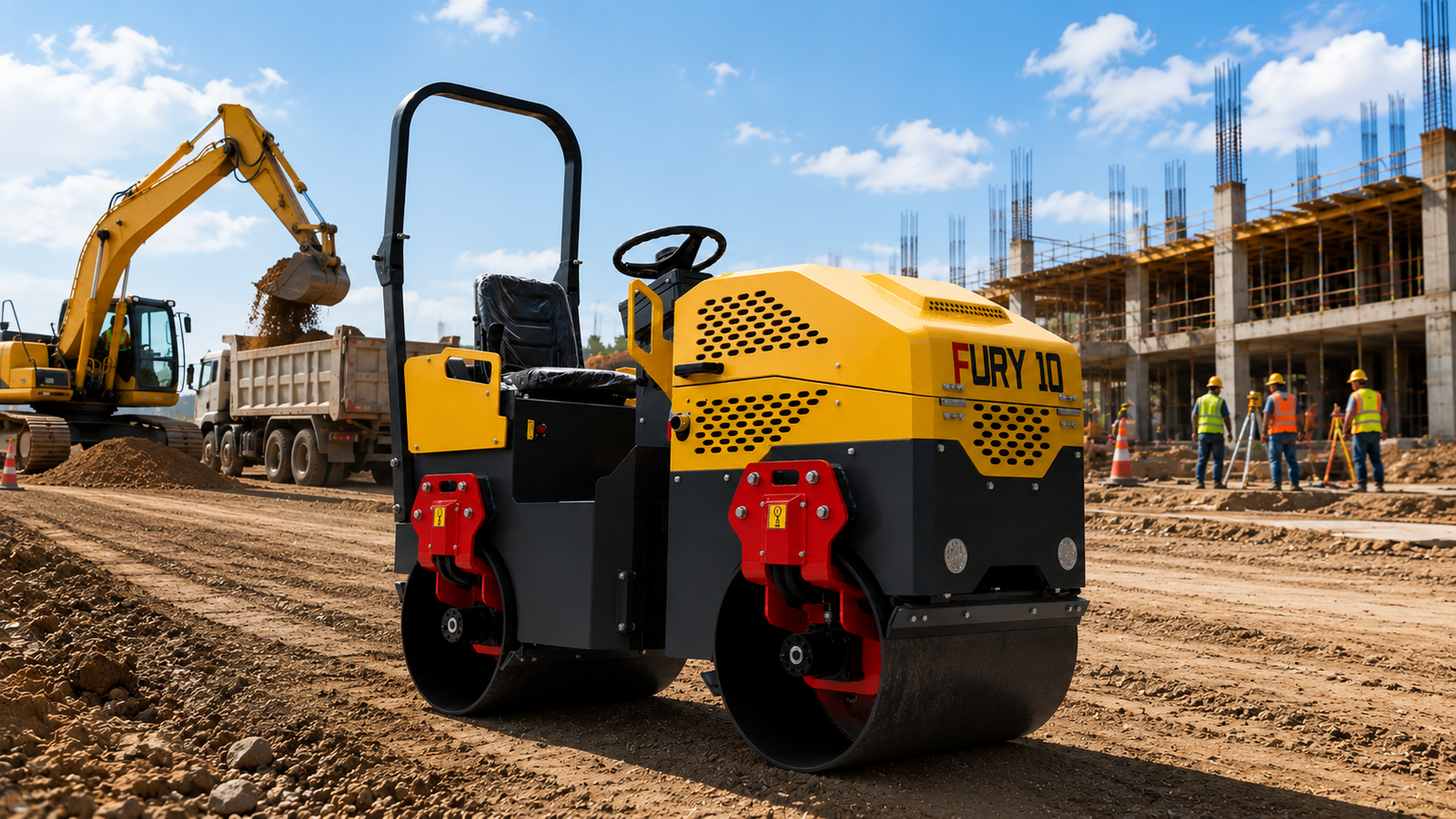
Every reliable road, parking lot, and commercial building shares one critical feature that you can never actually see. The true strength of these structures does not come from the smooth asphalt or the thick concrete poured on top. Instead, their durability relies entirely on how well the earth beneath them was prepared before the heavy construction ever started. Many people look at a freshly graded dirt lot and assume it is ready to build on, but raw earth is full of hidden weaknesses. To transform loose dirt into a rock-solid foundation, construction professionals rely on a fundamental engineering concept: compaction density.
While the science behind earthmoving can seem highly complex, the basic principles are incredibly straightforward. Having compaction density explained clearly allows everyone from seasoned contractors to first-time equipment buyers to make smarter operational choices. This guide breaks down the core concepts of heavy compaction into plain English. By exploring exactly how soil particles behave, what happens when we remove hidden air pockets, and how we measure success on the job site, you will discover exactly why this invisible metric is the most important part of any construction project.
What Is Compaction Density?
If you scoop up a handful of loose dirt or gravel, it might feel solid in your palm. However, that handful of material is actually made up of millions of tiny, jagged particles separated by microscopic pockets of air and water. If you were to place a heavy weight on top of that loose soil, the weight would force the particles to slide around and collapse into those empty air pockets. In the construction world, compaction density simply means how tightly soil, gravel, or asphalt particles are packed together.
When heavy machinery rolls over a job site, it applies massive downward pressure that physically forces these loose materials to lock tightly into place. As the air voids are squeezed out, the ground becomes much denser. Higher density usually means fewer air pockets and a significantly stronger, more stable surface. The individual rocks and grains of sand effectively bridge together to form a solid mass that can safely support the immense weight of commercial buildings and heavy highway traffic without shifting.
Understanding this simple concept is the foundation of all successful site preparation. You are not just flattening the ground; you are fundamentally changing the physical structure of the earth beneath your feet. Achieving this tight particle lock is completely non-negotiable, because failing to reach the proper density guarantees a cascade of expensive structural failures.
The Hidden Dangers of Loose Foundations
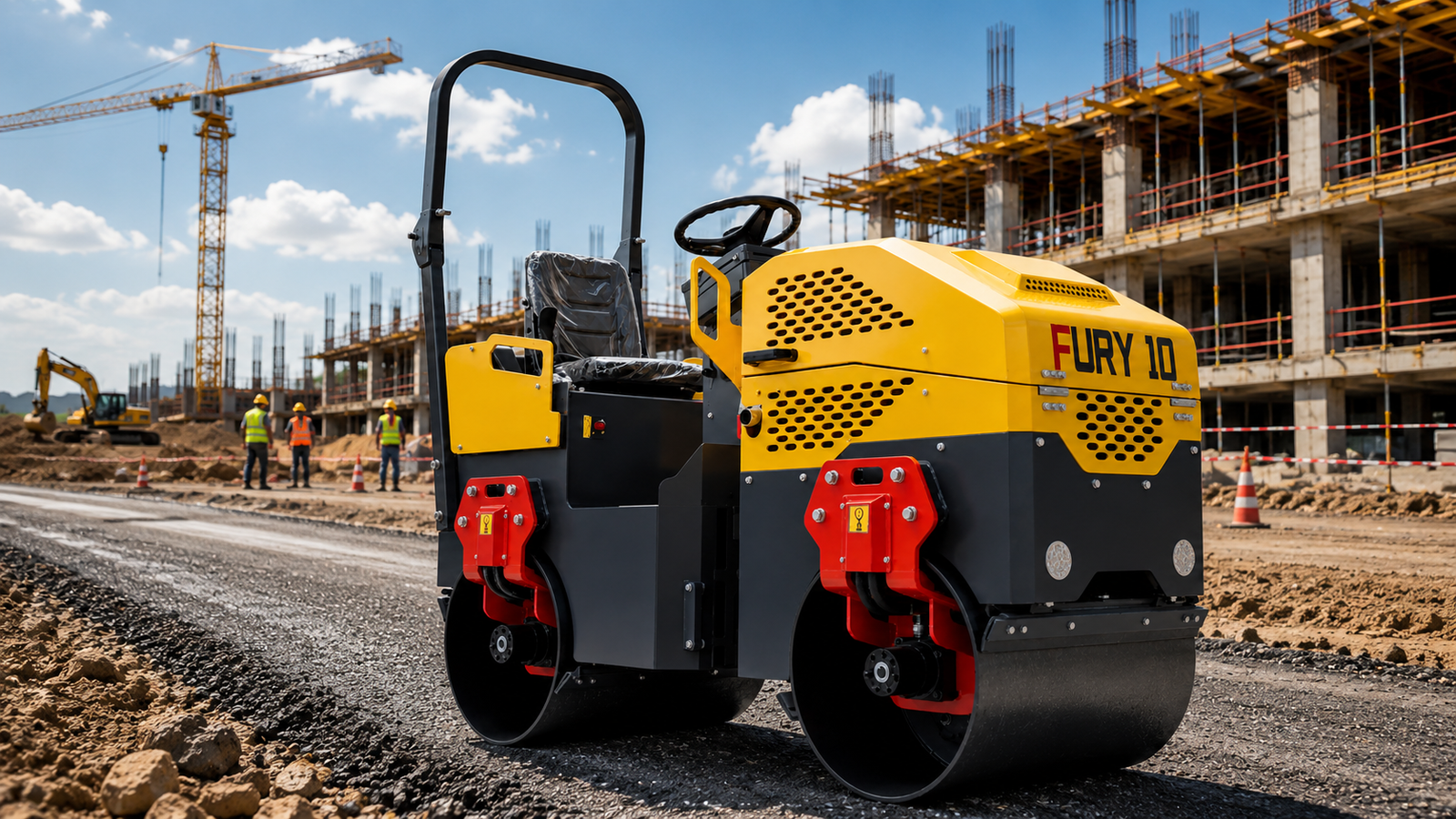
The general public often assumes that if a road looks flat and smooth, it is safe to drive on. The immediate problem with this surface-level thinking is that heavy traffic does not just rest on the asphalt; its weight pushes deep into the foundation below. If a contractor rushes the site preparation and leaves too many air pockets in the dirt, the ground remains dangerously soft. When massive commercial trucks repeatedly drive over that poorly prepared base, their weight does the compaction work the contractor failed to do.
Poor density can cause roads, foundations, and paved areas to sink, crack, or wear out early. As the loose soil settles unevenly under the weight of traffic, the rigid asphalt or concrete resting on top loses its support. Without a solid base, the pavement bends and violently tears apart, creating massive potholes and dangerous structural ruts. What started as a minor shortcut during the dirt-moving phase quickly turns into a catastrophic pavement failure.
The real-world financial impact of these failures is staggering. Municipalities and business owners are forced to spend millions of dollars prematurely tearing up and replacing ruined infrastructure. Ensuring that your soil compaction density meets strict engineering targets actively prevents these devastating failures. To achieve those targets, however, you must understand how different materials react to pressure.
How Material and Moisture Change the Rules
You cannot treat every patch of dirt exactly the same. The earth is a complex mixture of different minerals, and compaction density depends heavily on the specific material type you are working with. Loose, sandy soils are made of jagged particles that rely on friction to hold their shape, while sticky clay soils are made of microscopic plates that tightly bind together. Because these materials behave so differently, applying the exact same heavy pressure to both will yield completely different density results.
Alongside material type, moisture content plays a massive role in how tightly particles can be packed. Water acts as a lubricant that helps dirt particles slide past each other and lock into place. However, if the soil is severely dry, the particles create too much friction and refuse to pack tightly. Conversely, if the soil is soaking wet, the water physically takes up space and pushes the dirt particles apart, making it impossible to squeeze out the air voids.
Contractors must actively manage the water levels on their job sites to hit the perfect moisture balance. By adding water with heavy trucks or drying out wet clay with tractors, crews create the ideal environment for the soil to pack tightly together. Finding this perfect balance allows the heavy equipment to do its job effectively, which leads directly to the importance of choosing the right tools for the work.
How Soil Type Affects Compaction Results
The Importance of Lift Thickness and Equipment
When attempting to build a solid foundation, you cannot simply dump ten feet of loose dirt into a hole and expect a machine to pack it all down at once. The downward pressure generated by heavy equipment only penetrates so far into the ground. Compaction density depends heavily on lift thickness, which is the depth of the loose material being rolled at one time. If a contractor tries to pack a layer of dirt that is too thick, the top few inches will become hard, but the bottom will remain dangerously loose and unstable.
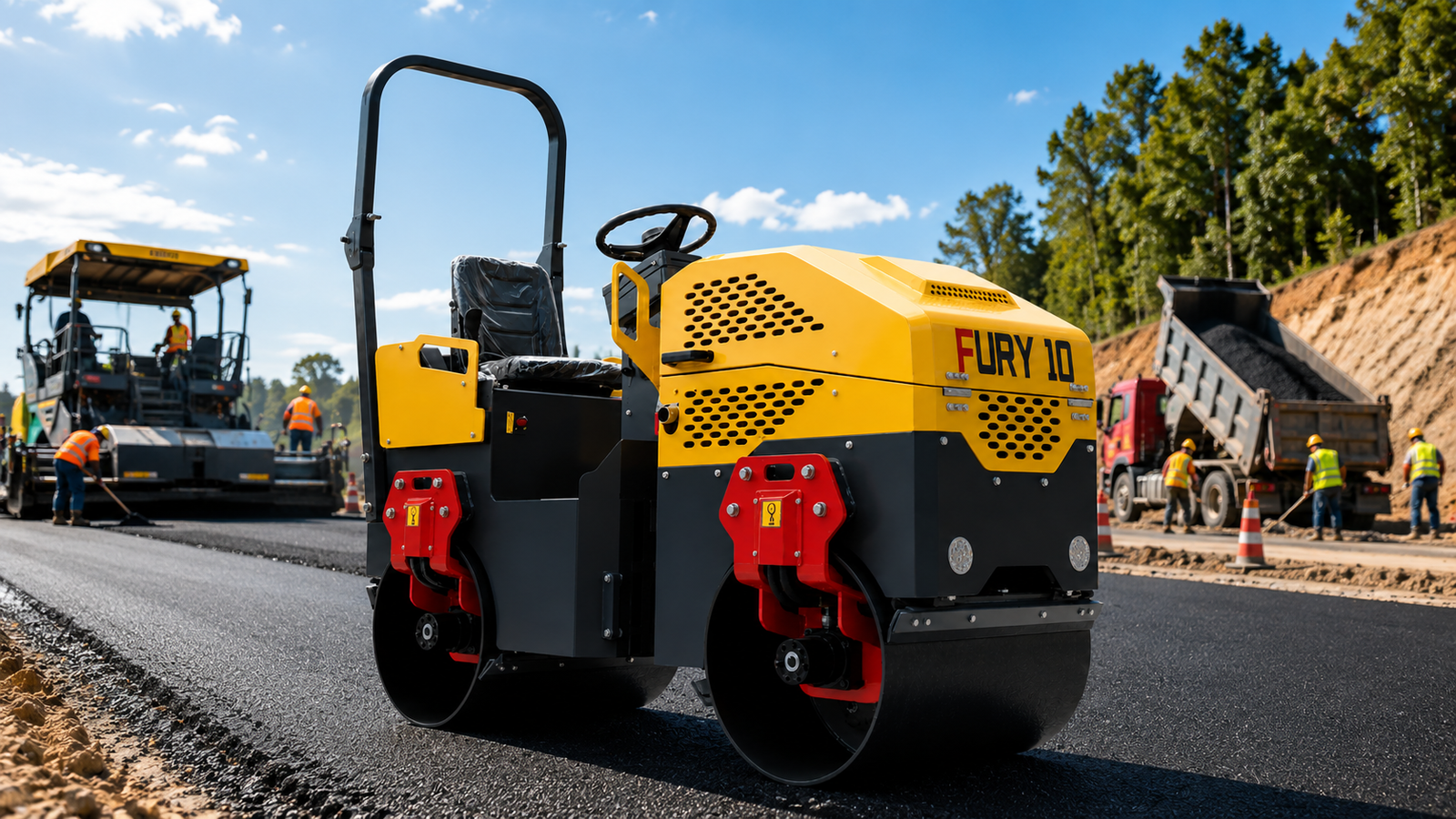
To prevent this hidden weakness, crews spread the material in thin, manageable layers called lifts, packing each one solid before adding the next. Reaching the proper density also requires the right equipment choice. Contractors use massive road rollers equipped with heavy steel drums to apply the necessary force. Some rollers rely entirely on their sheer static weight to crush the material into place.
Other modern machines use powerful internal vibration to aggressively shake the ground, helping granular soils and asphalt settle into a tight formation much faster. Using the correct roller for your specific material type ensures that the downward pressure penetrates deeply and effectively. Working in disciplined, thin layers with the right machinery is the most reliable way to build a flawless foundation.
Measuring Success on the Job Site
You cannot determine how tightly the earth is packed simply by looking at it or walking across it. Because the microscopic air pockets are completely invisible from the surface, relying on guesswork is an incredibly dangerous operational strategy. To prove that the foundation is truly ready for concrete or asphalt, contractors rely on strict scientific validation.
Contractors use advanced testing methods to reach target density and guarantee the quality of their work. Traditionally, this involved technicians coming to the site to physically test the soil with specialized gauges that measure the exact moisture and density levels of the ground. Today, modern road rollers are often equipped with highly intelligent monitoring systems built directly into the machine. These digital sensors measure the stiffness of the ground in real time, showing the operator a color-coded map on a screen that highlights exactly which areas are solid and which areas need more rolling.
This precise validation ensures that every single square foot of the job site meets the strict engineering requirements. You completely eliminate the risk of leaving a hidden soft spot that could ruin the final pavement. Taking the time to test and verify your work builds immense professional trust and guarantees a superior final product.
Why Compaction Density Matters for Everyone
The absolute foundation of modern society rests upon the strength and reliability of the ground we pave. Smooth highways, safe parking structures, and durable commercial buildings do not happen by accident; they are the direct result of applying professional discipline to the earth. Understanding density in simple terms helps people make better decisions about roadwork, site preparation, and equipment use.
Why compaction density matters ultimately comes down to safety, efficiency, and long-term financial savings. When you demand proper site preparation, you ensure your infrastructure investments will safely support heavy traffic for decades to come without requiring constant, expensive repairs. Whether you are a business owner hiring a paving crew or a contractor upgrading your heavy equipment fleet, prioritizing soil compaction density is the smartest choice you can make. Demand excellence from the ground up, and build a fiercely capable foundation that delivers unyielding reliability.
