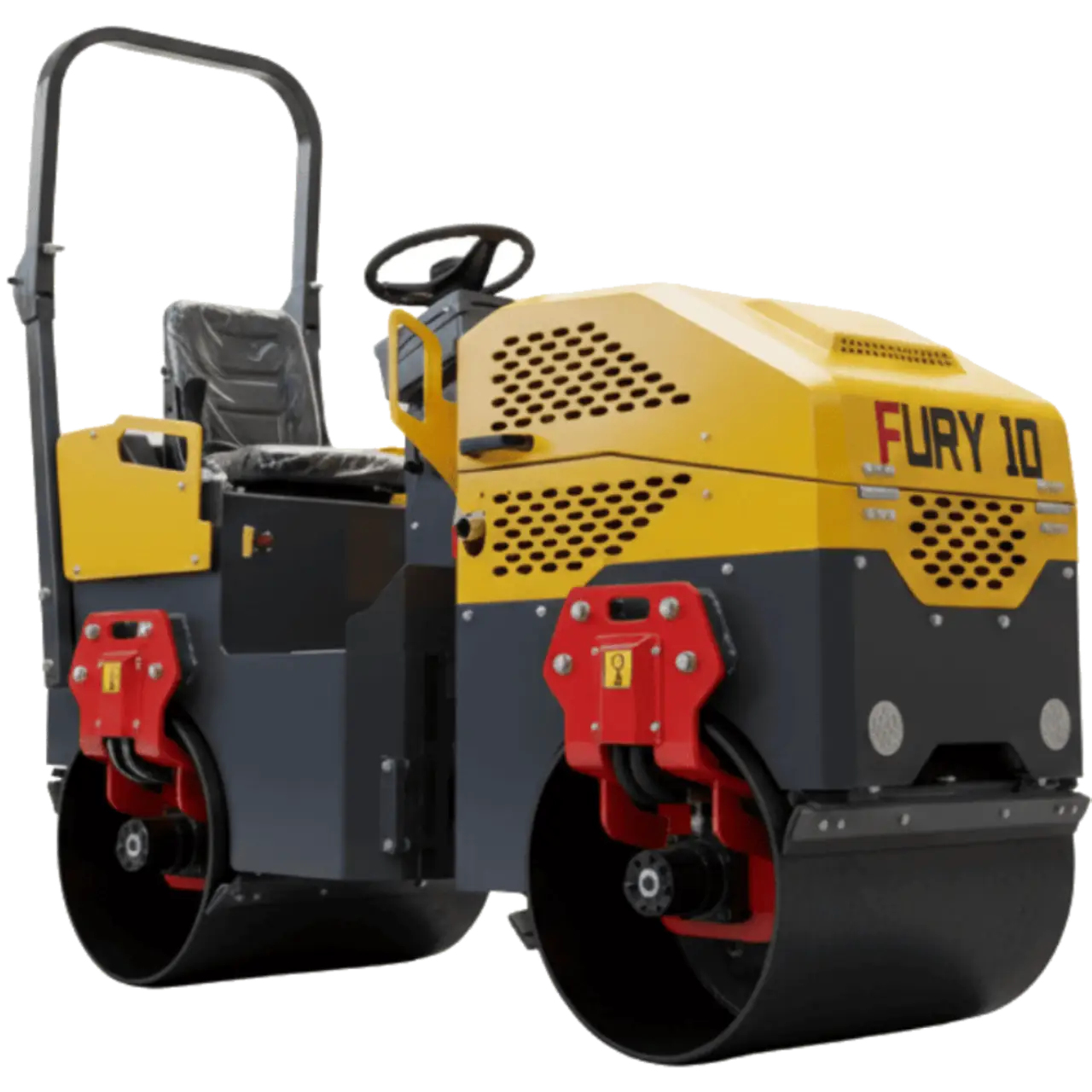
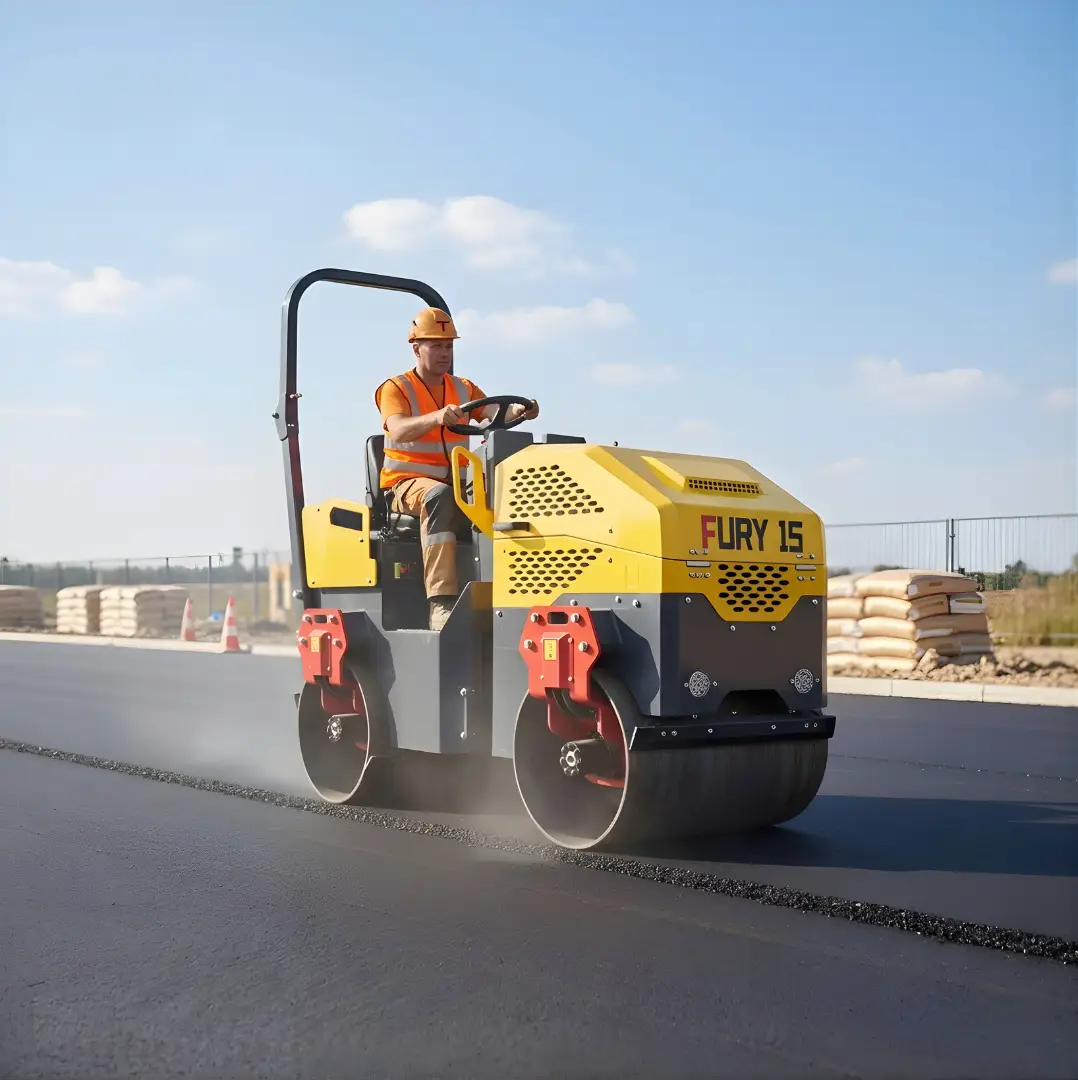
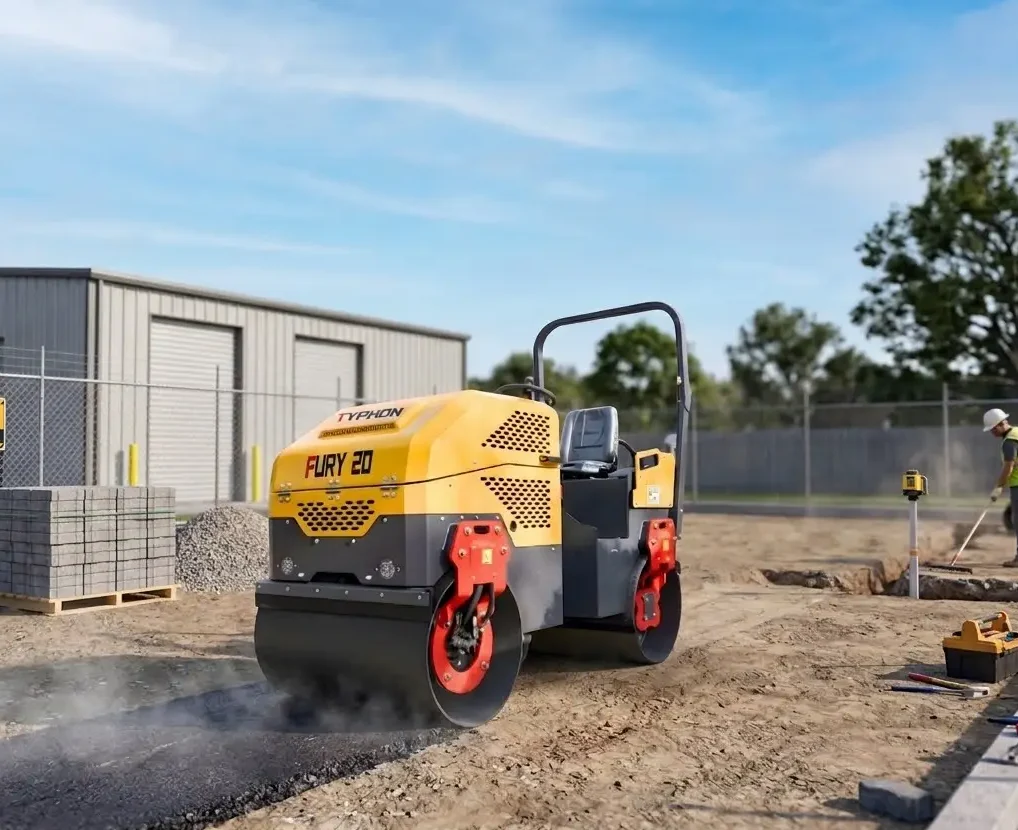
TYPHON Fury 10
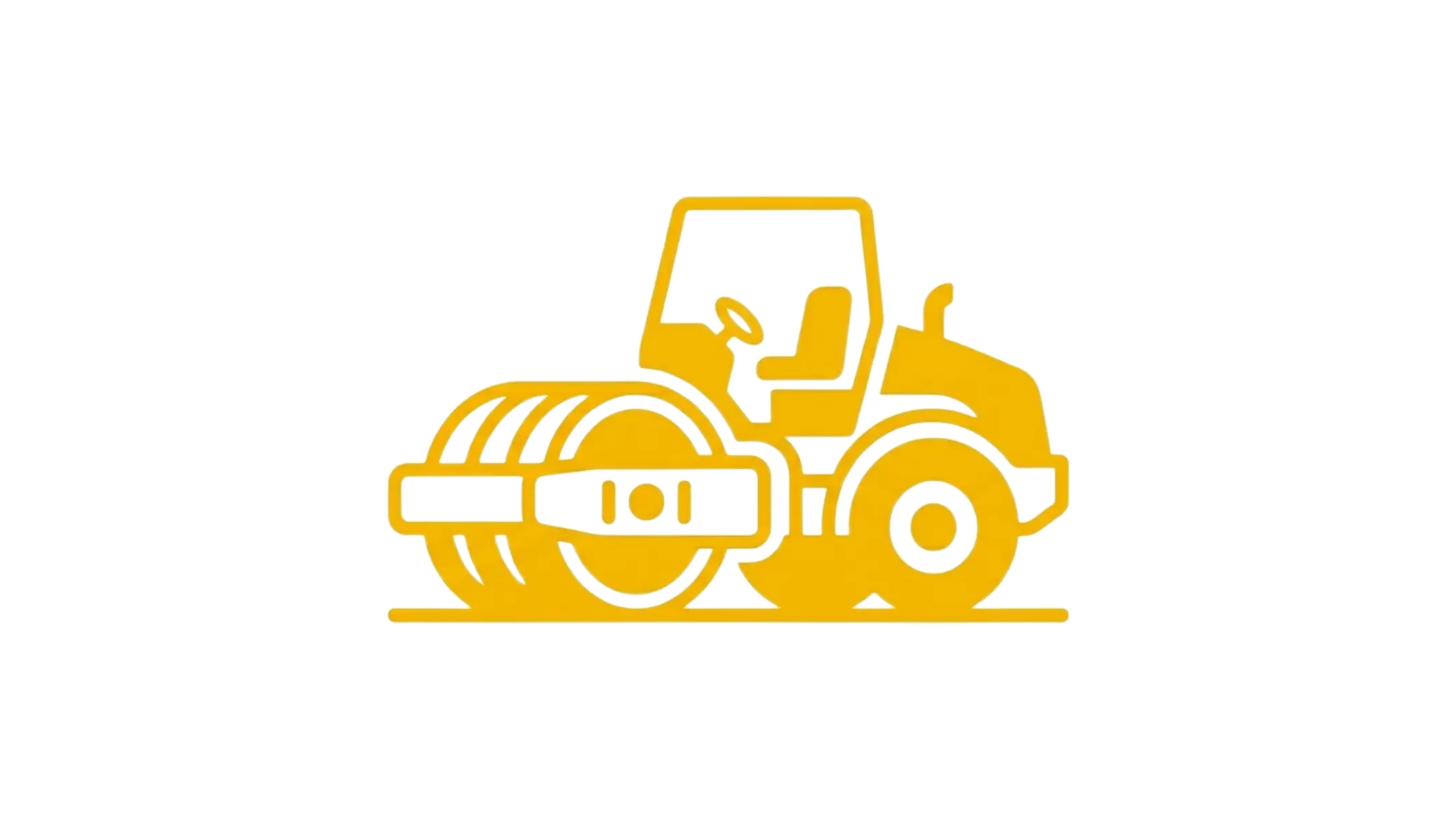
A compact 1-ton road roller and roller compactor designed for asphalt, soil, gravel, driveways, landscaping and confined construction work.

Explore TYPHON road rollers and roller compactors engineered for asphalt, soil, gravel, driveways, landscaping, site preparation, and construction. Compare compact Fury models by operating weight, engine power, vibration force, and application.
A road roller is purpose-built compaction equipment used to compact asphalt, soil, gravel and other construction materials. TYPHON mini road rollers combine compact dimensions with practical vibration and operating weight, making them useful where contractors need controlled compaction in driveways, roads, parking areas, landscaping projects, foundations and other confined work zones.
The TYPHON range includes the Fury 10, Fury 15 and Fury 20 mini road rollers. Each roller compactor is designed around a different operating-weight and power class, giving contractors and equipment buyers a choice when comparing compact road roller machines for their jobsite.
If you are searching for a road roller, roller compactor, mini road roller or compact road roller, use the models below to compare the Fury series and select the machine that best matches your surface, working area and compaction requirements.
Compare TYPHON Fury mini road rollers by operating weight, engine power, compaction performance and intended application.

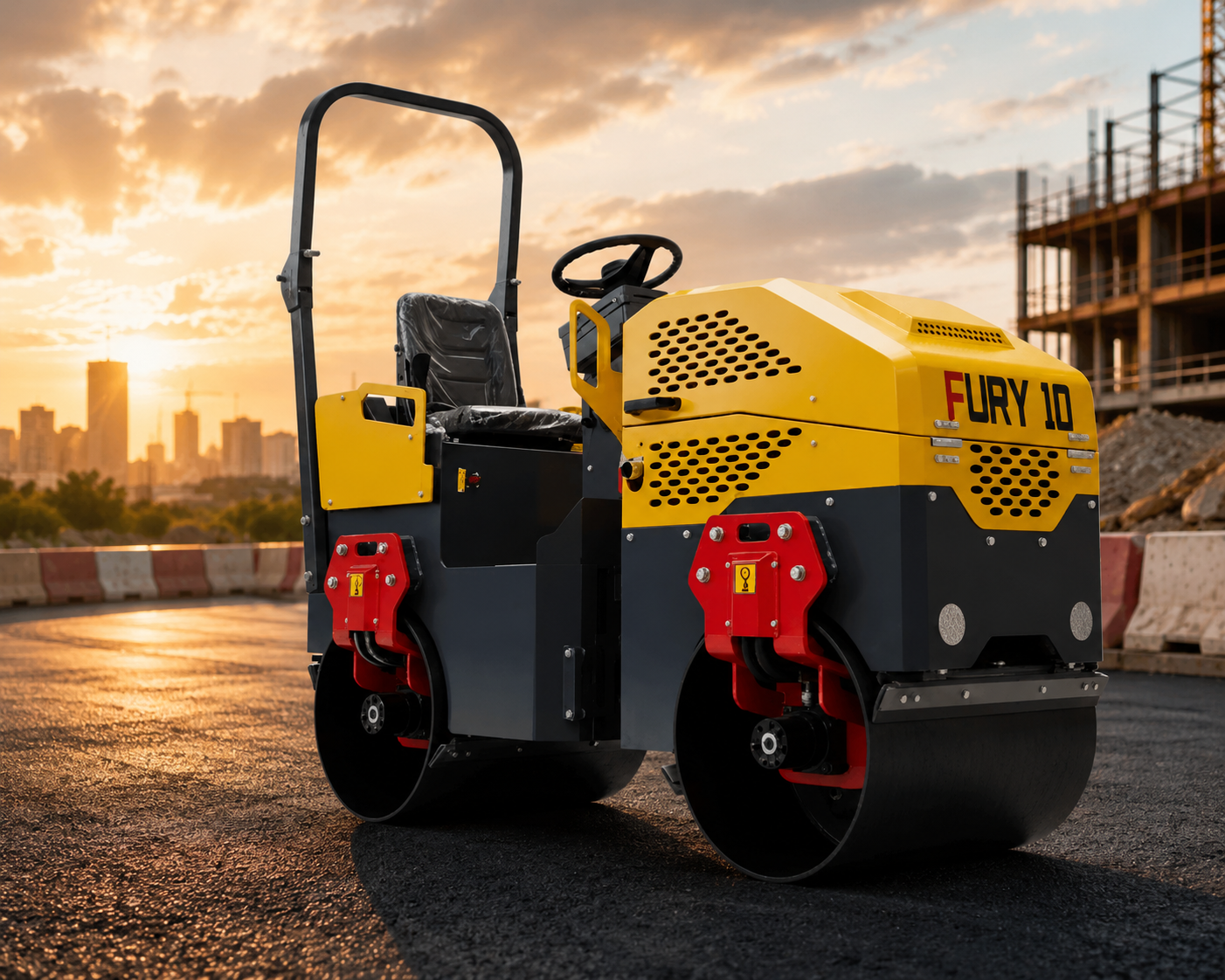
A compact 1-ton road roller and roller compactor designed for asphalt, soil, gravel, driveways, landscaping and confined construction work.

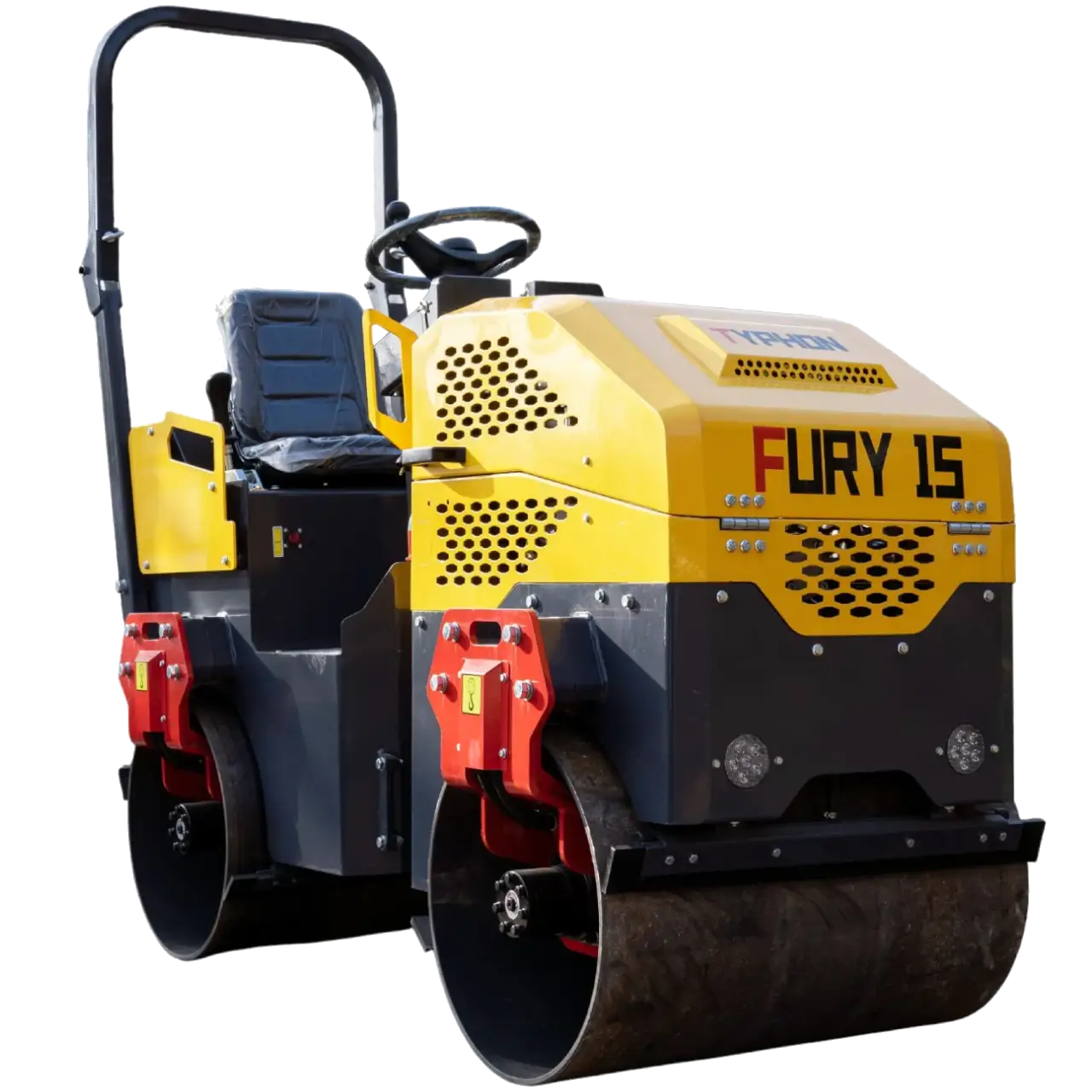
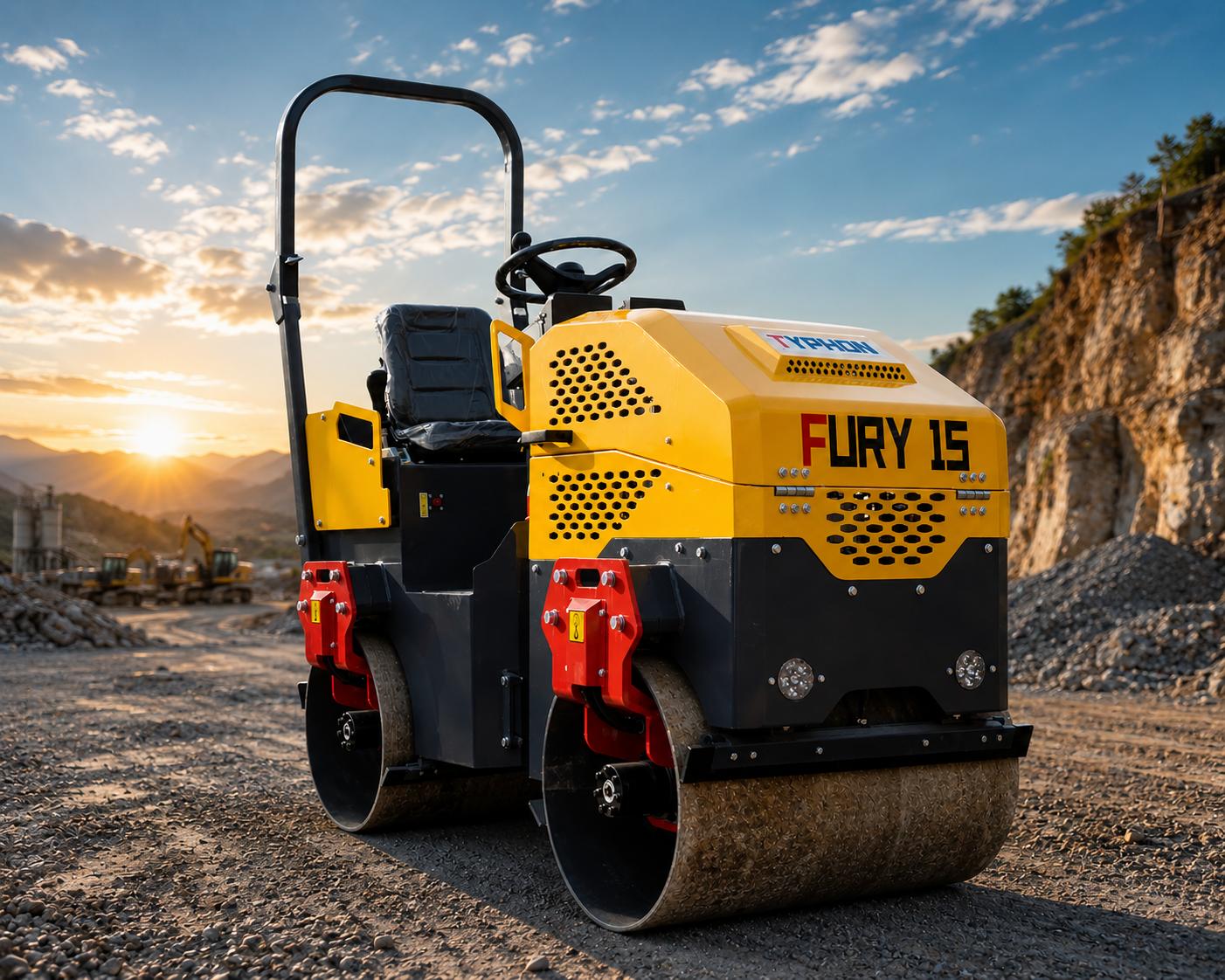
A 1.5-ton mini road roller with hydraulic two-wheel drive, front drum vibration and hydraulic steering for roads, driveways and construction sites.

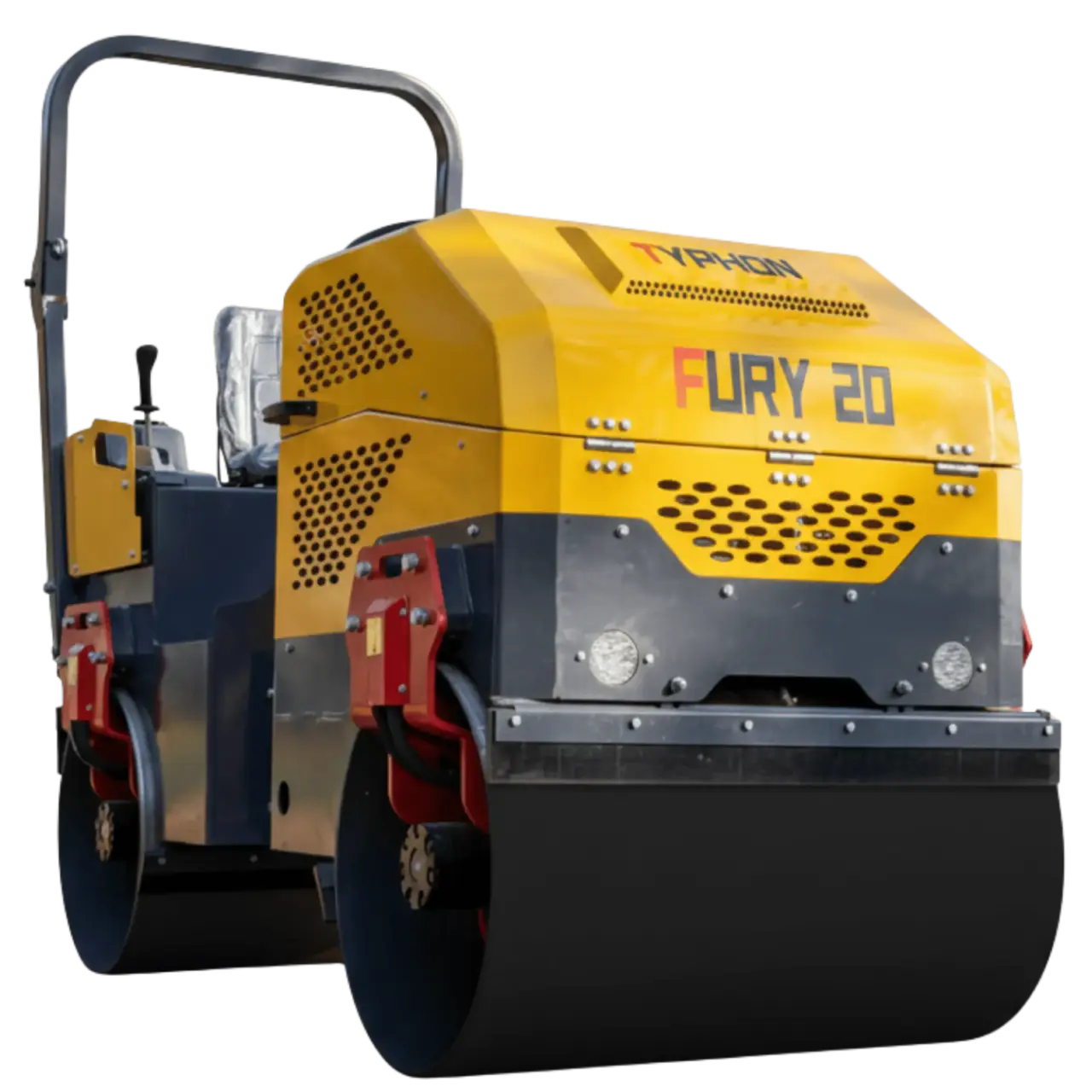
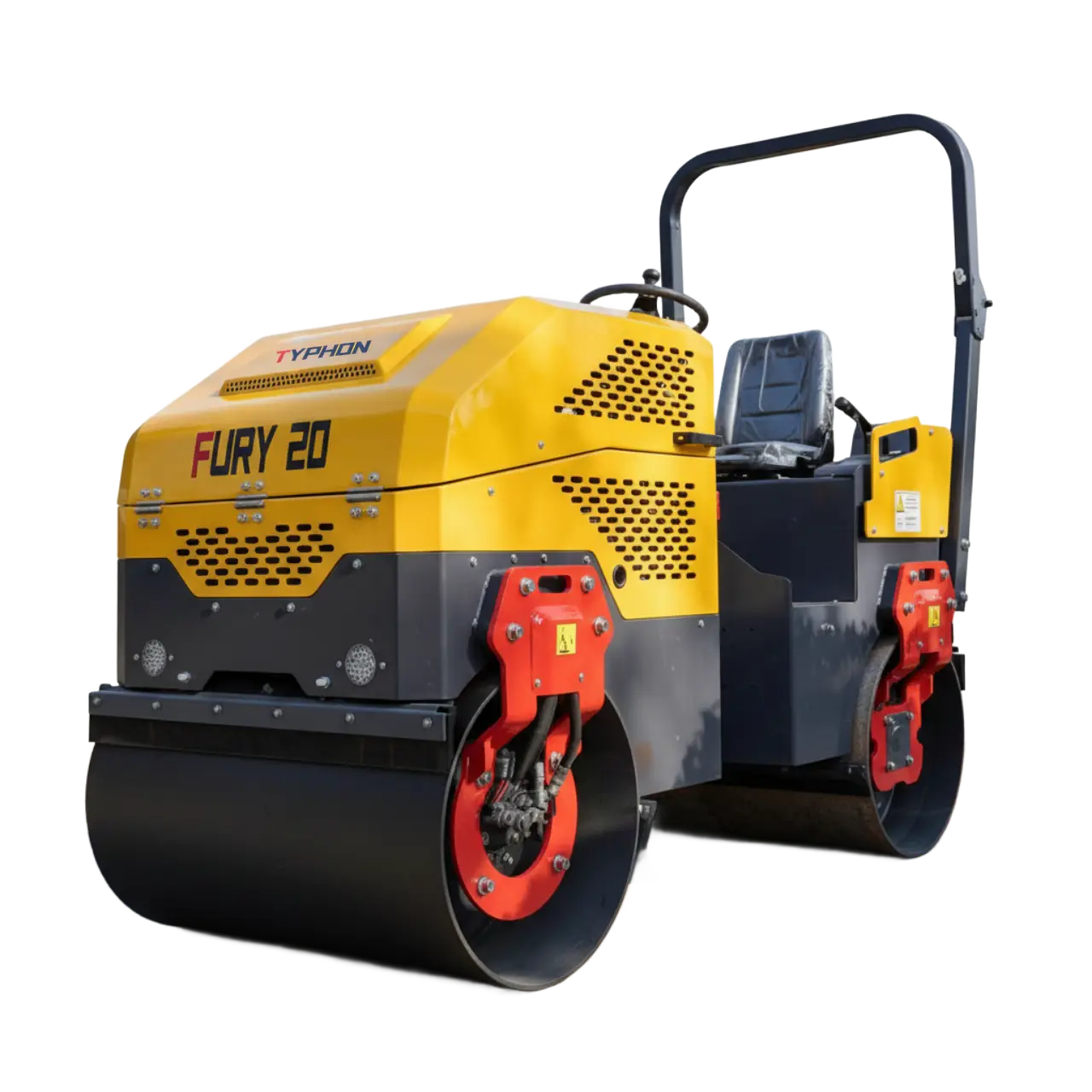
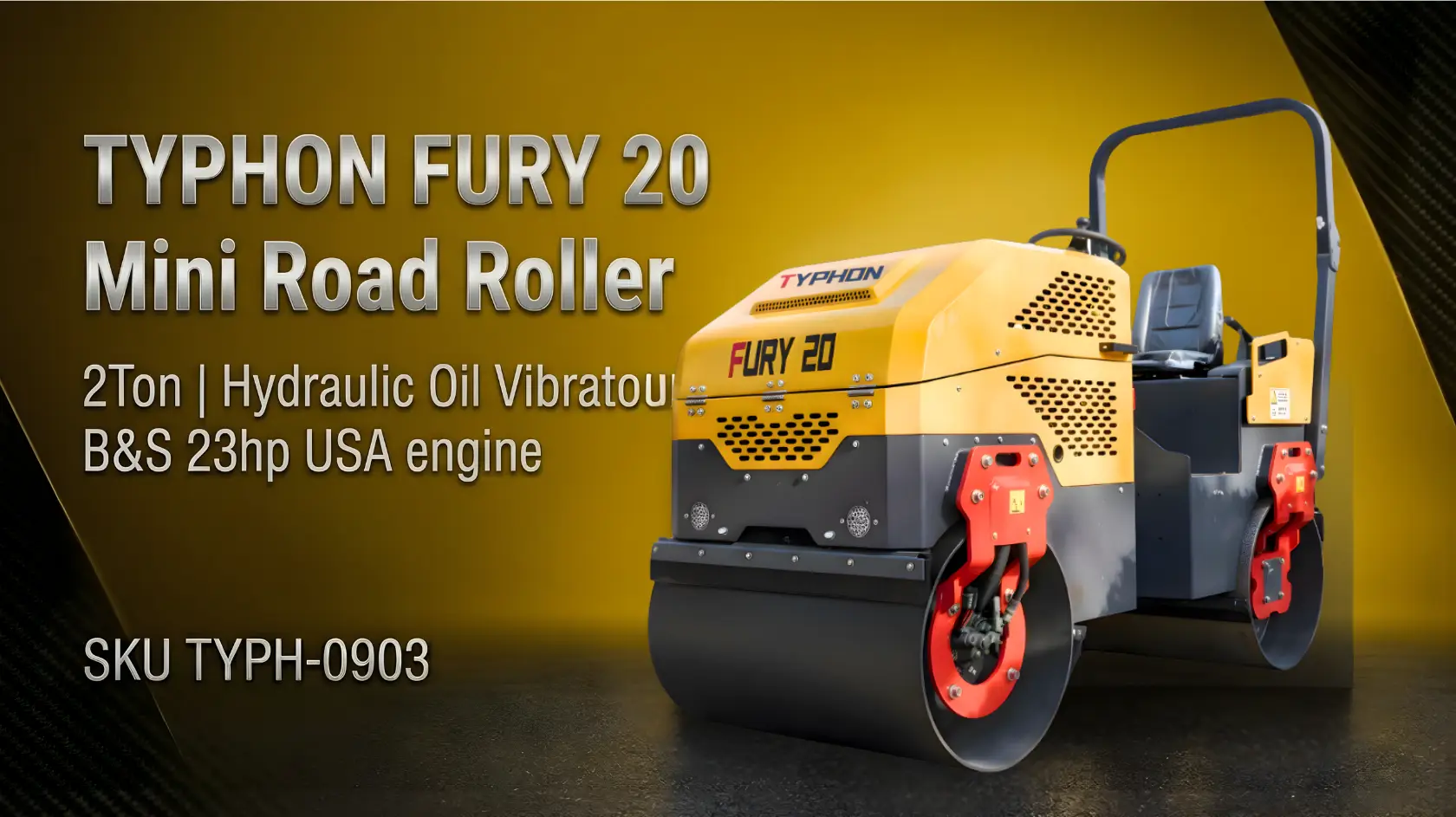
A 2-ton mini road roller and vibratory roller compactor with a 23 HP engine for demanding construction, asphalt, soil and landscaping work.
Choose the road roller configuration according to the material, surface, available space and required compaction performance.
Road rollers help compact asphalt surfaces and support a smoother, more consistent finished surface when used correctly.
Compact rollers can be used for soil and base preparation where controlled machine weight and vibration are appropriate.
A roller compactor can help consolidate gravel and aggregate base materials during construction and site preparation.
Mini road rollers are useful where compact equipment is needed for driveways, pathways, landscaping and confined work areas.
Find additional information to help compare road rollers, roller compactors and compact construction equipment.
A road roller is used to compact materials such as asphalt, soil, gravel and aggregate during construction, roadwork, landscaping and site preparation.
The terms road roller and roller compactor are commonly used for machines that use weight and vibration to consolidate construction materials and create a more stable surface.
The appropriate model depends on the required operating weight, engine power, available working space, material and compaction requirements. Compare the Fury 10, Fury 15 and Fury 20 to determine which configuration best matches your project.
Compare TYPHON mini road rollers and roller compactors to find the right machine for your construction, asphalt, soil, gravel or landscaping application.
View All Rollers →Choose a TYPHON road roller or roller compactor based on operating weight, engine power, compaction requirements and jobsite conditions. From the compact Fury 10 to the larger Fury 20, each mini road roller is designed for practical compaction work on asphalt, soil, gravel, driveways, landscaping projects and construction sites.

The Fury 10 is a compact 1-ton road roller designed for controlled compaction in smaller work areas. Its compact footprint makes it suitable for asphalt, soil, gravel, driveways, landscaping and general site preparation.

The Fury 15 adds operating weight and capacity while retaining the maneuverability of a compact road roller. It is a practical choice for contractors working on roads, driveways, construction areas, landscaping and other compaction applications.

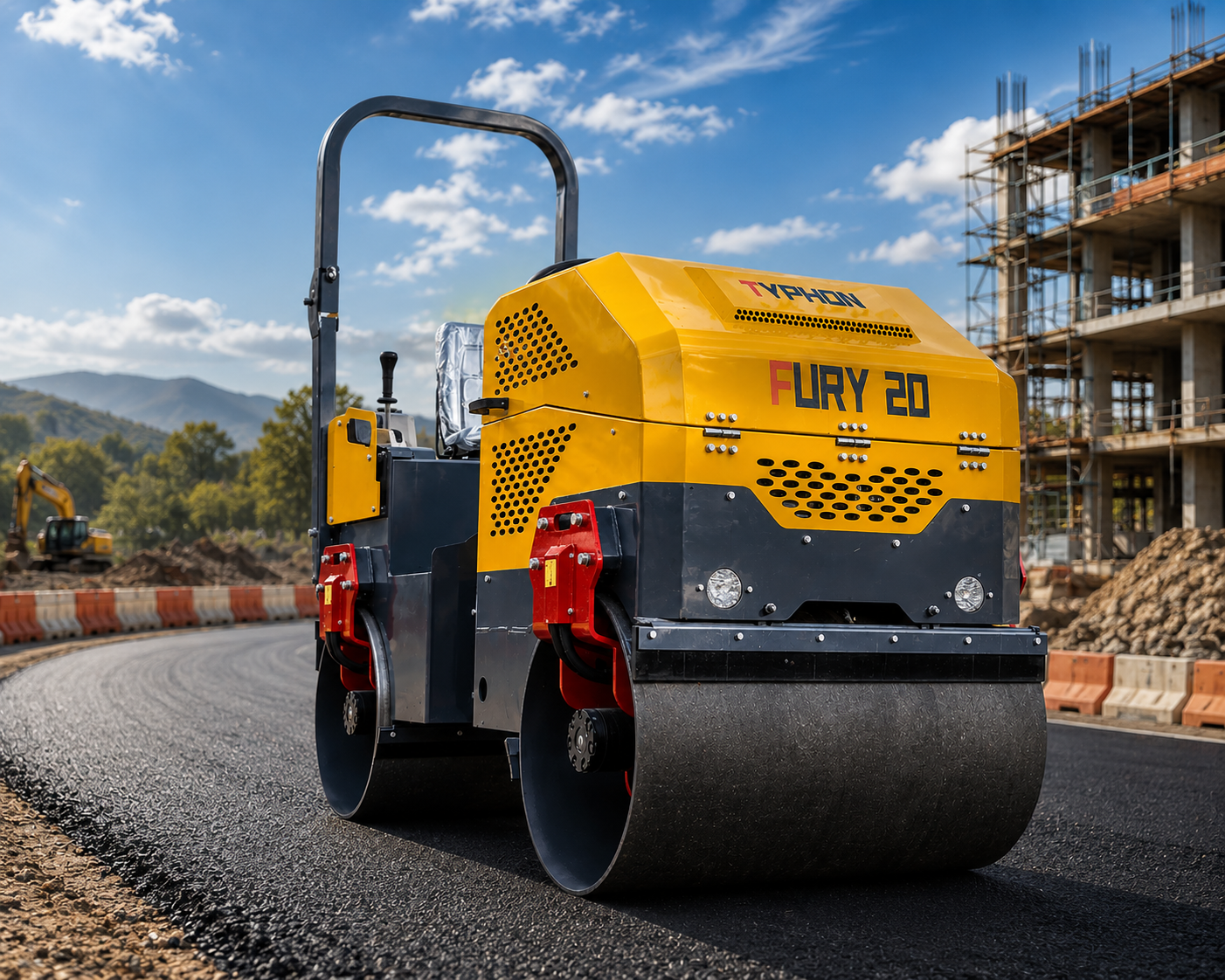
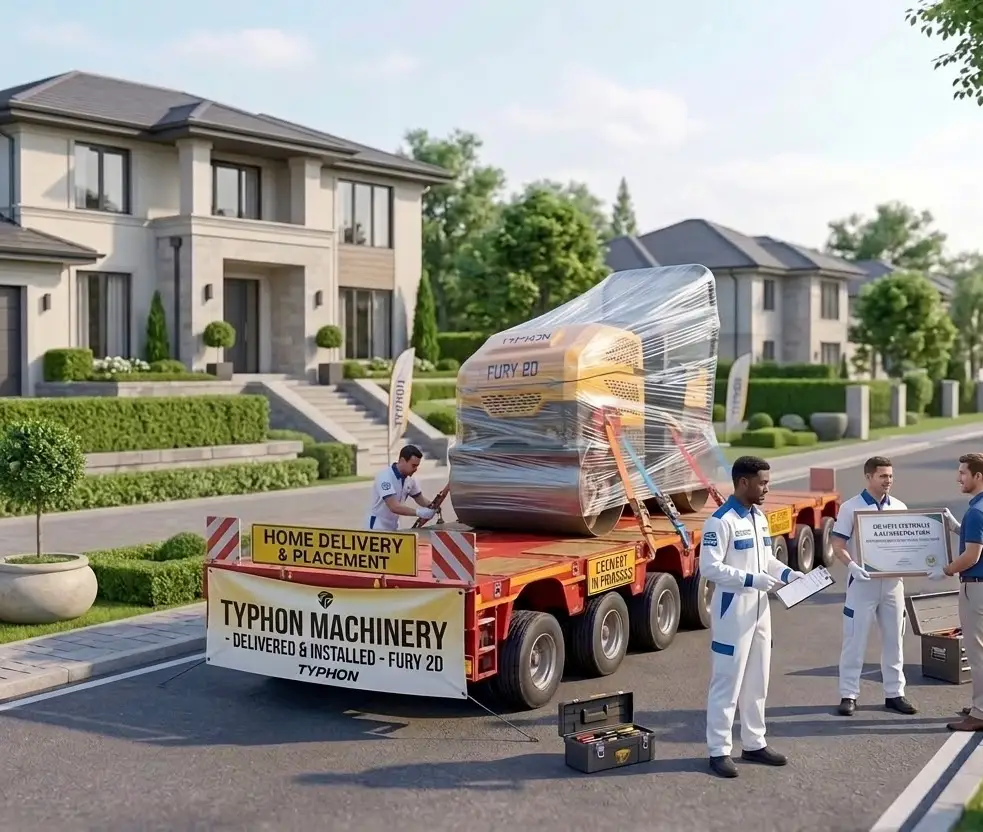
The Fury 20 is the largest model in this TYPHON mini road roller range. With a 2-ton operating weight and 23 HP engine, it is designed for buyers looking for a higher-capacity roller compactor for demanding construction and surface-compaction work.
Comparing road rollers? Consider the machine's operating weight, engine power, vibration system, maneuverability and the material you need to compact. A smaller mini road roller can be advantageous in confined areas, while a heavier roller compactor can provide greater machine weight for suitable compaction applications.
Road rollers and roller compactors are available in different configurations for different compaction requirements. Understanding drum configuration, vibration and machine size can help you choose the right road compactor for asphalt, soil, gravel and construction applications.
The most important differences between road roller machines include operating weight, drum configuration, vibration system, engine power, working width and maneuverability. A compact roller may be preferred for confined areas, while larger equipment can be selected when a project requires greater machine weight and coverage.
A vibratory road roller uses controlled drum vibration together with machine weight to compact suitable materials. Vibratory compaction is commonly associated with asphalt, aggregate, soil and other construction materials where vibration is appropriate.
A single drum road roller uses one primary steel compaction drum with another wheel or axle arrangement supporting the machine. This configuration is commonly considered for soil, aggregate base and general construction compaction.
A double drum road roller uses front and rear drums to provide compaction across both sides of the machine. This configuration can provide consistent drum contact and is commonly associated with asphalt and surface-compaction work.
Smooth drum rollers use a smooth steel drum to create pressure across the material being compacted. They are widely associated with asphalt and granular material applications where a smooth drum surface is appropriate.
Mini road rollers are designed for projects where machine size and maneuverability matter. Compact road rollers can be useful around driveways, pathways, landscaping projects, smaller construction areas and other locations with restricted access.
The term road compactor can describe equipment designed to increase the density and stability of suitable construction materials. Roller compactors use machine weight, drum pressure and, on vibratory models, controlled vibration to achieve compaction.
Choosing a road roller should begin with the material and application. Asphalt work, soil preparation, gravel compaction and confined construction areas can have different equipment requirements. Compare the road roller's operating weight, drum configuration, vibration characteristics, working width and maneuverability before selecting a roller compactor.
Choosing a road roller or roller compactor starts with the material you need to compact, the size of your work area and the level of compaction required. Use these key factors to compare road roller machines before selecting the right equipment for your project.
First determine what material needs to be compacted. Asphalt, soil, gravel, aggregate and prepared bases can have different compaction requirements. Your material should guide the type of roller and compaction method you select.
Operating weight is one of the most important factors when comparing road rollers. Heavier machines provide greater machine weight, while smaller mini road rollers can be easier to transport and maneuver in confined work areas.
For vibratory road rollers, consider the vibration system and available compaction force. These characteristics affect how the machine interacts with suitable materials and should be considered alongside operating weight and project requirements.
Jobsite access matters. A compact road roller can be advantageous when working around buildings, driveways, pathways, landscaping projects and other areas where larger construction equipment may have limited access.
Engine power supports the machine's operating systems and overall working capability. Compare engine output together with machine weight, hydraulic systems and the compaction requirements of the project rather than choosing a roller based on horsepower alone.
The best road roller is the machine that matches your actual project requirements. Consider surface type, work area, desired operating weight, maneuverability, transport requirements and expected workload before making a purchase decision.
Compare Road Rollers →When buying a road roller, look beyond machine price and horsepower. Operating weight, drum configuration, vibration system, compaction force, working width, maneuverability and transport requirements can all affect whether a roller compactor is suitable for your project.
Contractors working on asphalt may prioritize drum configuration and vibration characteristics, while soil and aggregate applications may require a different balance of machine weight and compaction performance. For smaller projects, a mini road roller can provide useful maneuverability where access is limited.
TYPHON offers the Fury 10, Fury 15 and Fury 20 across three operating weight classes, giving equipment buyers a practical starting point when comparing compact road roller options.

Compare the key specifications of the TYPHON Fury 10, Fury 15 and Fury 20. Operating weight, engine power, vibration, hydraulic systems and machine dimensions are important factors when selecting a road roller or roller compactor for your project.
Operating weight indicates the machine's overall working mass. Compare it with your application, access conditions and required compaction performance.
Engine power supports the machine's drive and hydraulic systems. Higher horsepower does not automatically mean a better roller; it should be considered together with the complete specification.
Vibratory road rollers use controlled vibration to assist compaction of suitable materials. Review vibration specifications together with material type and project requirements.
Compact dimensions can be valuable where access is restricted. Consider working width, turning space, transportation and the physical layout of your jobsite.
Proper maintenance and operating practices can help keep a road roller or roller compactor working reliably. Regular inspection, cleaning, lubrication and service checks are important parts of maintaining construction equipment and preparing a machine for compaction work.
A quick inspection before operation can help identify visible problems before the machine enters the work area.
Inspect the engine area and verify the required fluid levels according to the machine's operating and maintenance manual.
Check the compaction drum for excessive buildup, visible damage, unusual wear or anything that could affect operation.
Look for visible leaks or damaged hydraulic components and follow the manufacturer's inspection recommendations.
Check tires, wheels, fasteners and other accessible components before moving the roller onto the jobsite.
Confirm that the operator controls and safety-related systems respond normally before beginning compaction work.
Remove accumulated dirt and material from areas where buildup could interfere with inspection, cooling or normal operation.
Keep the engine area clean and follow the manufacturer's recommended service intervals for oil, filters, cooling and other engine components. Always use the specifications and procedures provided for your particular TYPHON model.
The drum is a primary working component of a road roller. Keep the drum clean and inspect it regularly for visible damage, excessive wear or material buildup that may affect the machine's operation.
Hydraulic systems can be important to drive, steering and other machine functions. Inspect accessible hoses, connections and components for visible leaks or damage and service them according to the manufacturer's maintenance schedule.
If your road roller uses a vibratory compaction system, follow the recommended inspection and service procedures for vibration components. Unusual noise, vibration or operating behavior should be investigated before continued use.
Use the appropriate roller configuration and compaction method for the material and application.
Follow the manufacturer's operating recommendations and use a controlled working speed appropriate for the project.
Plan the compaction pattern and maintain consistent passes where the project specification requires controlled coverage.
Stop and inspect the machine if you notice unusual noise, vibration, leaks, controls or other unexpected behavior.
Whether you operate a mini road roller on a driveway project or a larger roller compactor on a construction site, routine maintenance should be part of the equipment management process. Regular checks can help identify problems early and keep important machine systems ready for work. Always follow the maintenance schedule, safety procedures and technical specifications supplied with your specific road roller.
ROAD ROLLER MAINTENANCE & REPAIR →


The TYPHON Fury 20 Road Roller delivers consistent, effective compaction across asphalt, soil, and gravel. Engineered for road building and landscaping, its sturdy design offers a small footprint for effortless maneuvering.
Sed do eiusmod tempor incididunt ipsum sus pendisse gravida.
Turning radius rarely gets top billing when buyers compare compact road rollers, yet it quietly
Read moreA land-clearing crew shows up to a brush-choked lot with a fresh forestry mulcher and a
Read more
David R.
Sarah L.
Michael K.Learn more about road rollers, roller compactors, vibratory compaction, machine size and common construction applications. These answers can help you understand what to consider before choosing a road roller for your project.
A road roller is a construction machine designed to compact materials such as asphalt, soil, gravel and aggregate. Road rollers use machine weight, drum pressure and, on vibratory models, controlled vibration to help achieve the required compaction level.
A roller compactor is commonly used for compacting construction materials and prepared surfaces. Depending on the machine and application, roller compactors can be used for road construction, asphalt work, soil preparation, driveways, paths and other compaction projects.
Yes. Road rollers are commonly used for asphalt compaction. The correct machine configuration, drum design, operating procedure and compaction pattern depend on the asphalt mixture, project requirements and site conditions.
Many road rollers can be used for soil and aggregate compaction, but the appropriate machine depends on the soil type, moisture, layer thickness and required compaction result. Always select equipment according to the project specification and machine manufacturer's recommendations.
A vibratory road roller is a roller equipped with a vibration system that creates controlled drum vibration during operation. This additional dynamic force can assist compaction of suitable materials and is commonly used in road and site construction.
The right road roller size depends on the material, project area, required compaction performance, working space, transportation requirements and operating weight. Smaller mini road rollers can be useful for compact or restricted areas, while larger machines may be better suited to higher-volume work.
The terms road roller and roller compactor are often used to describe similar construction equipment used for compaction. Different machines can have different drums, vibration systems, operating weights and applications, so the machine specification is more important than the terminology alone.
Mini road rollers can be useful where a compact machine is needed for smaller construction areas, driveways, pathways, landscaping work and other projects with restricted access. The appropriate model should still be selected according to the material and required compaction performance.
Road roller maintenance should follow the service intervals and procedures specified by the machine manufacturer. Routine checks can include engine fluids, filters, hydraulic components, drum condition, fasteners and other machine systems. Always follow the maintenance manual for your specific model.
Start by identifying the material you need to compact and the working environment. Then compare operating weight, drum configuration, vibration system, compaction performance, engine power, machine dimensions, maneuverability and transportation requirements. The best road roller is the one that matches the actual requirements of your project.
Depending on the machine design and application, road rollers can be used with materials including asphalt, soil, gravel, aggregate and prepared construction bases. Material type and project specifications should always be considered when selecting the appropriate compaction equipment.
Operating weight contributes to the pressure applied by the machine during compaction. It is one of several important specifications to compare because the correct balance of weight, vibration, drum configuration and machine performance depends on the application.
Road rollers and roller compactors come in different sizes, configurations and performance levels. Understanding the difference between operating weight, drum design, vibration, engine power and machine dimensions can help equipment buyers make a more informed decision. Explore the TYPHON Fury range to compare compact road roller options for different construction and compaction requirements.
EXPLORE ROAD ROLLER MODELS →