🚚 Free Shipping on Selected Equipment | ✅ Warranty Included
📞 Need Help? Call: +1 213-214-2203
NEW Sale

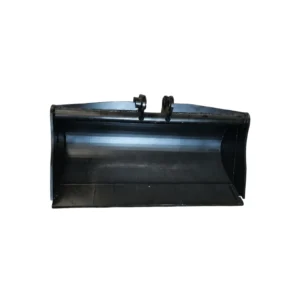
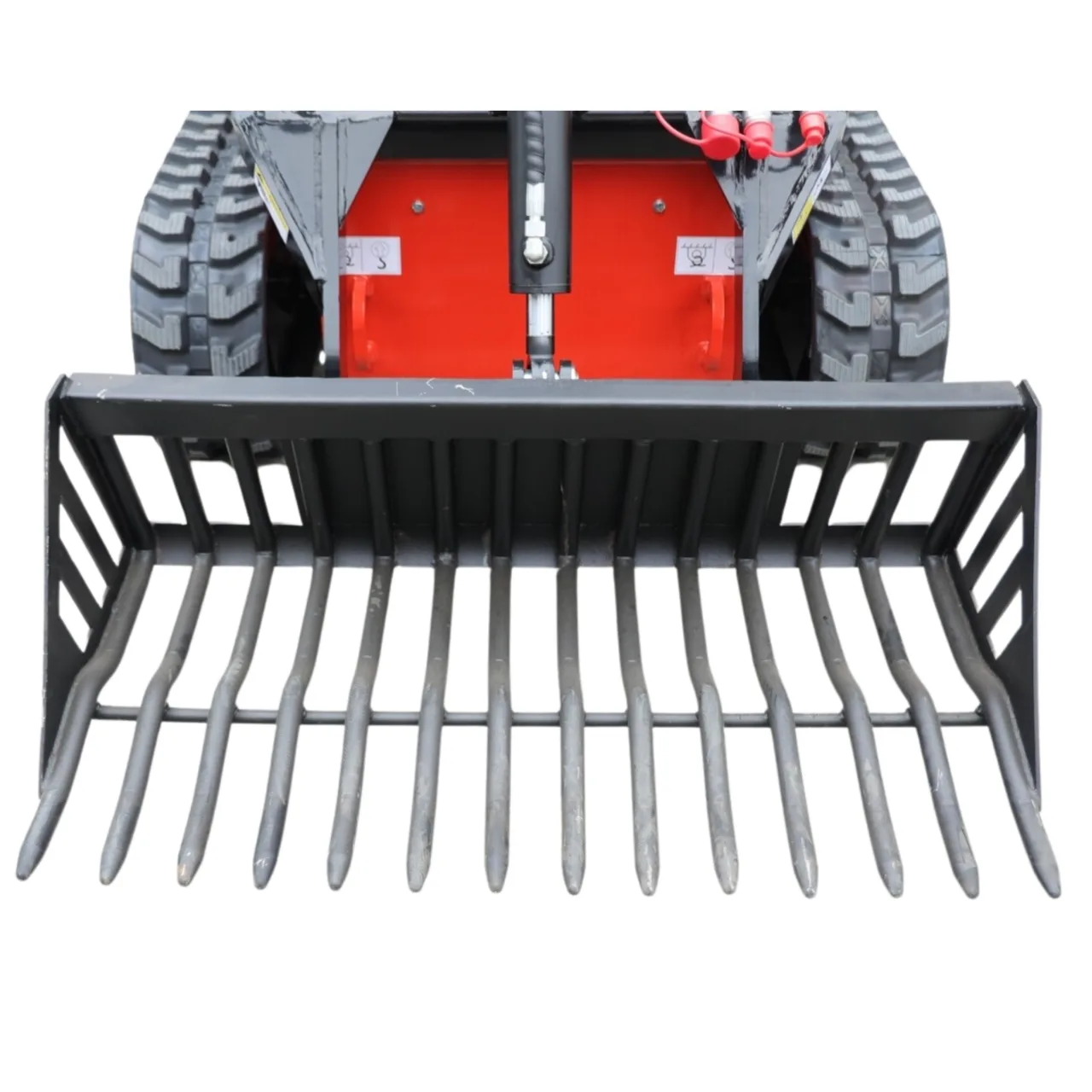
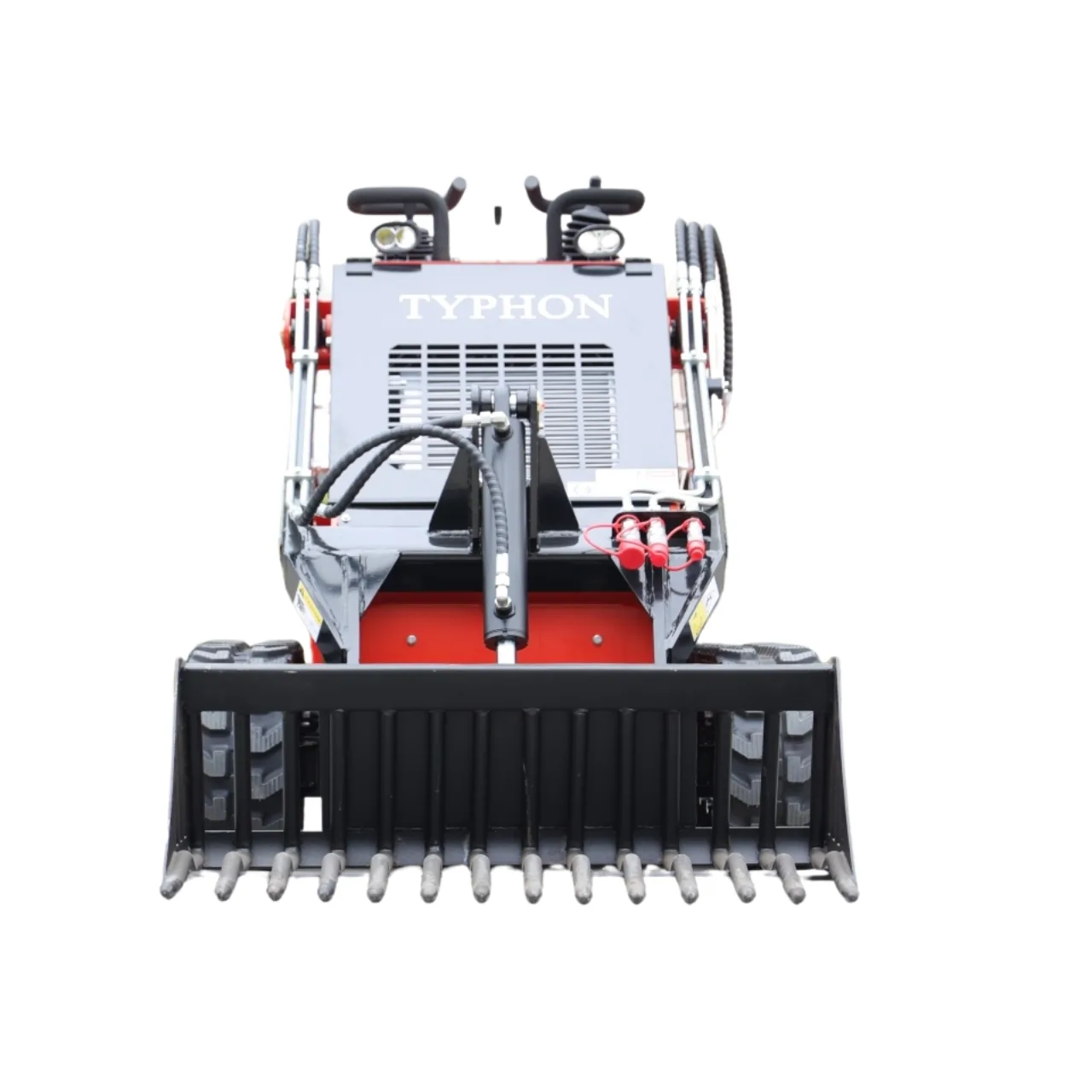
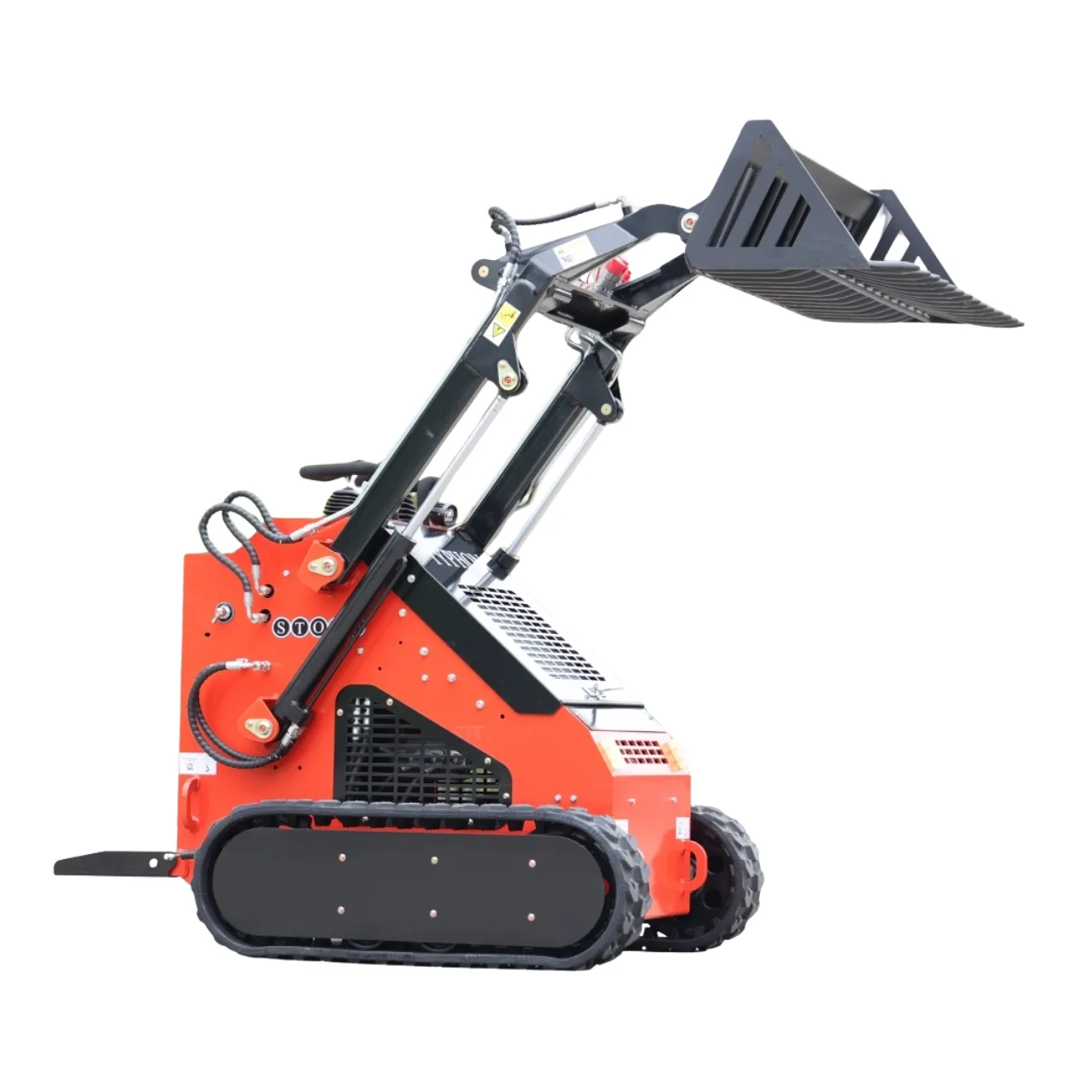
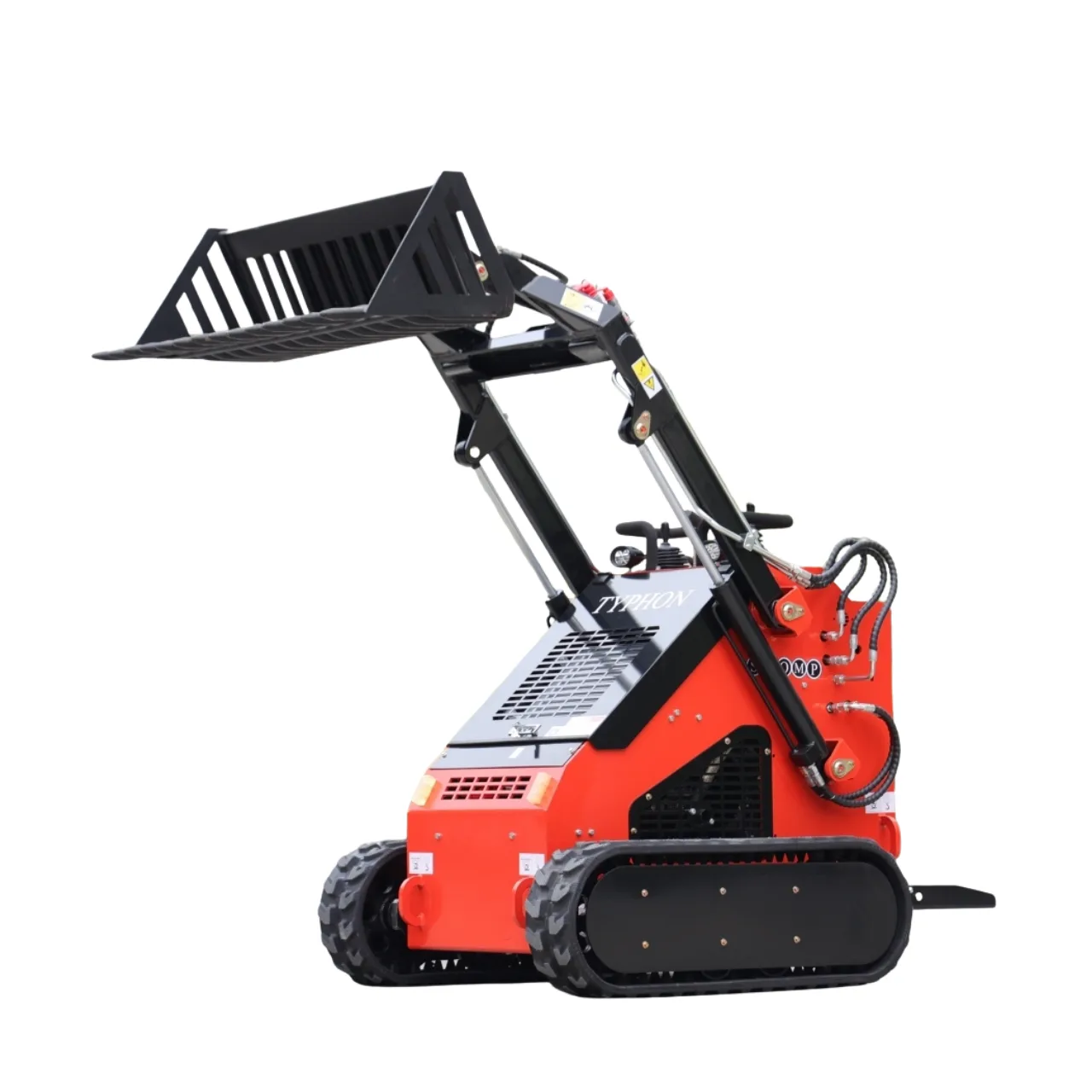
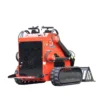
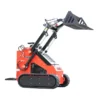
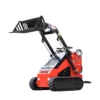
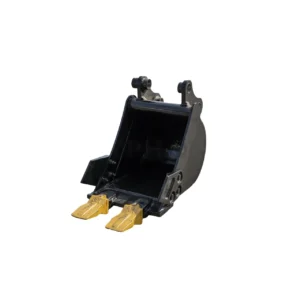
Skid Steer Loader Attachment Rock Bucket USA

Original price was: $1,800.00.Current price is: $0.00.

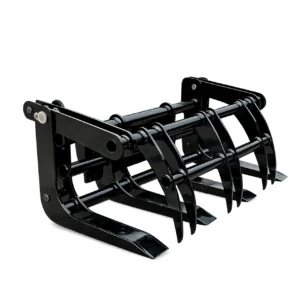
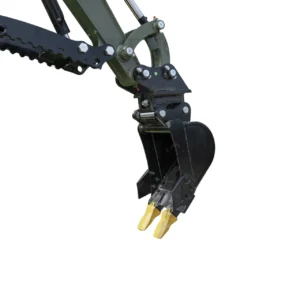
Skid Steer Loader Attachment Rock Bucket Skid Steer Loader Attachment Rock Bucket gives operators a confident way to sort, carry, and handle rough material with confidence, with a compact, work-ready feel that looks sharp and performs even better.

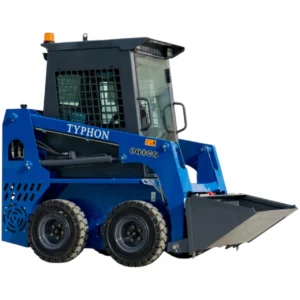
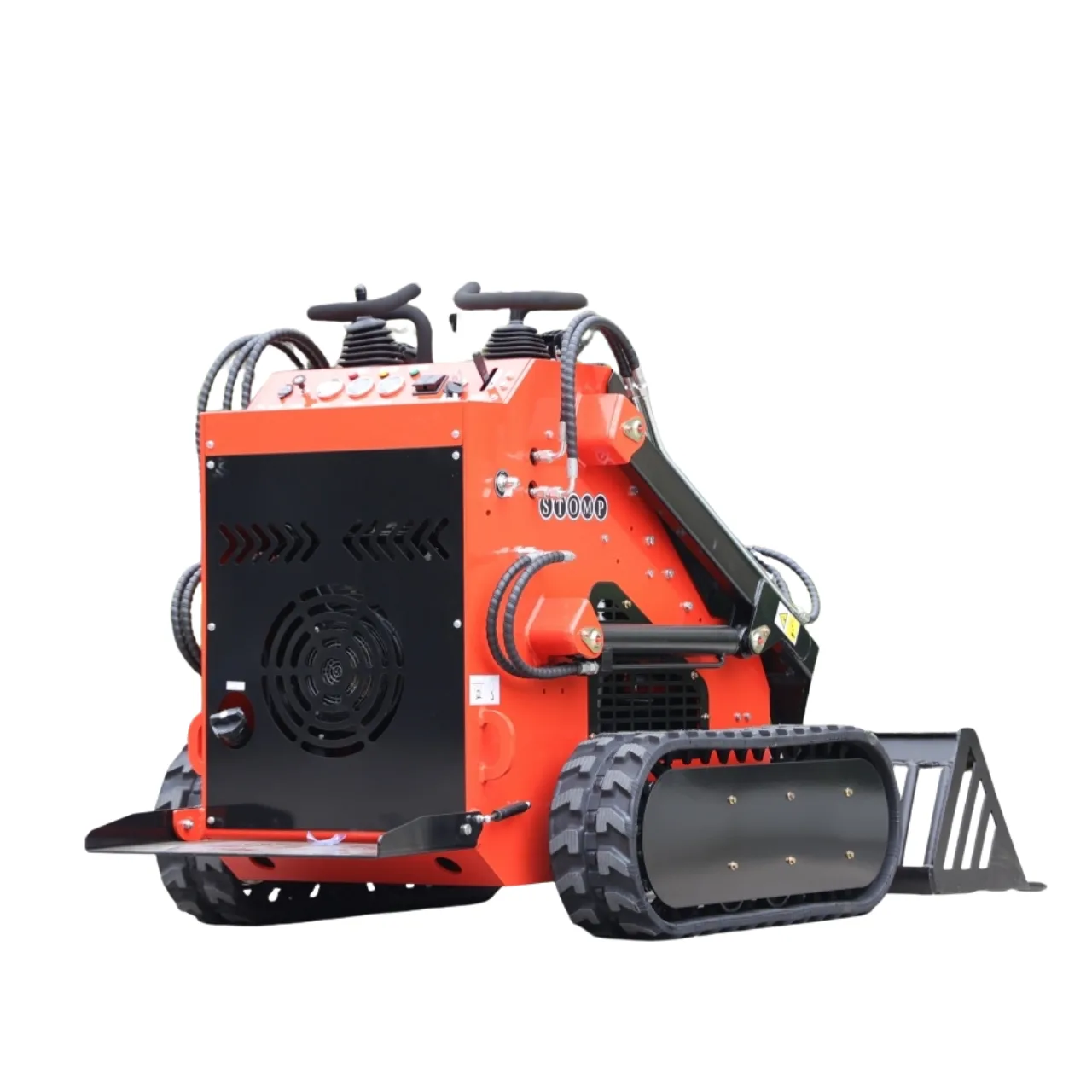
A strong fit for demolition cleanup, rough grading, and heavy material handling. Pairs naturally with compact skid steer platforms for fast hookup and useful everyday performance. Built to deal with rugged material without feeling flimsy or fussy.
Free shipping, arrives by Thu, Jun 2 to Sacramento
Want to Track Your Order? Add an address to see options

Guarantee Safe Checkout

Description

Skid Steer Loader Attachment Rock Bucket Skid Steer Loader Attachment Rock Bucket shows up ready to work and is dialed in to sort, carry, and handle rough material with confidence.

Built to look sharp and work harder

From first hookup to the last pass of the day, Skid Steer Loader Attachment Rock Bucket is aimed at demolition cleanup, rough grading, and heavy material handling. The setup feels purposeful instead of overcomplicated, so operators can stay locked in on productivity.

  • Purpose-built to sort, carry, and handle rough material with confidence.
  • Made to bring more range to the machine without making operation feel complicated or clumsy.
  • Looks clean in the lineup, works hard on the site, and gives buyers a versatile piece of equipment they can actually use.

Put simply, Skid Steer Loader Attachment Rock Bucket is built to do cool-looking work the right way: confidently, cleanly, and without wasting motion. Pairs naturally with compact skid steer platforms for fast hookup and useful everyday performance. Built to deal with rugged material without feeling flimsy or fussy.

Additional information

<h3 id="1">What is a return and exchange policy?</h3> A return and exchange policy is a set of rules a retailer creates to manage how customers return and exchange unwanted merchandise they’ve purchased. These policies tell customers what items can be returned and for what reasons, as well as the timeframe over which returns are accepted. From<a href="https://www.apple.com/shop/help/returns_refund" target="_blank" rel="nofollow noopener noreferrer"> Apple</a>’s strict 14-day return policy, to<a href="https://www.ikea.com/us/en/customer-service/returns-claims/" target="_blank" rel="nofollow noopener noreferrer"> IKEA</a>'s generous 365-day turnaround, just about every major retailer offers return and refund policies to their customers—and your small business should, too. <h3 id="2">Why have a return policy?</h3> A fair return and exchange policy builds trust between a business and its customers. In fact, offering a clear and consistent way for customers to return a purchased item can increase conversion and repeat rates. Giving customers a full refund on their orders can result in a loss of profitability, and knowing that someone disliked your product can be disheartening for business owners who strongly believe in the benefits of their products and services. For these reasons, it can be tempting to avoid creating a comprehensive return and refund policy and leave the mounting problem unaddressed. As you’ll see, however, this would be a mistake.

This is the first item's accordion body. It is shown by default, until the collapse plugin adds the appropriate classes that we use to style each element. These classes control the overall appearance, as well as the showing and hiding via CSS transitions. You can modify any of this with custom CSS or overriding our default variables. It's also worth noting that just about any HTML can go within the .accordion-body, though the transition does limit overflow.
This is the first item's accordion body. It is shown by default, until the collapse plugin adds the appropriate classes that we use to style each element. These classes control the overall appearance, as well as the showing and hiding via CSS transitions. You can modify any of this with custom CSS or overriding our default variables. It's also worth noting that just about any HTML can go within the .accordion-body, though the transition does limit overflow.
This is the first item's accordion body. It is shown by default, until the collapse plugin adds the appropriate classes that we use to style each element. These classes control the overall appearance, as well as the showing and hiding via CSS transitions. You can modify any of this with custom CSS or overriding our default variables. It's also worth noting that just about any HTML can go within the .accordion-body, though the transition does limit overflow.