🚚 Free Shipping on Selected Equipment | ✅ Warranty Included
📞 Need Help? Call: +1 213-214-2203
NEW Sale

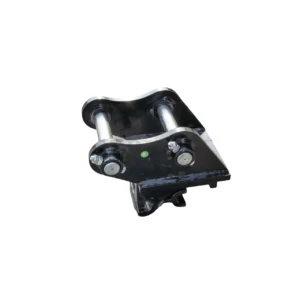
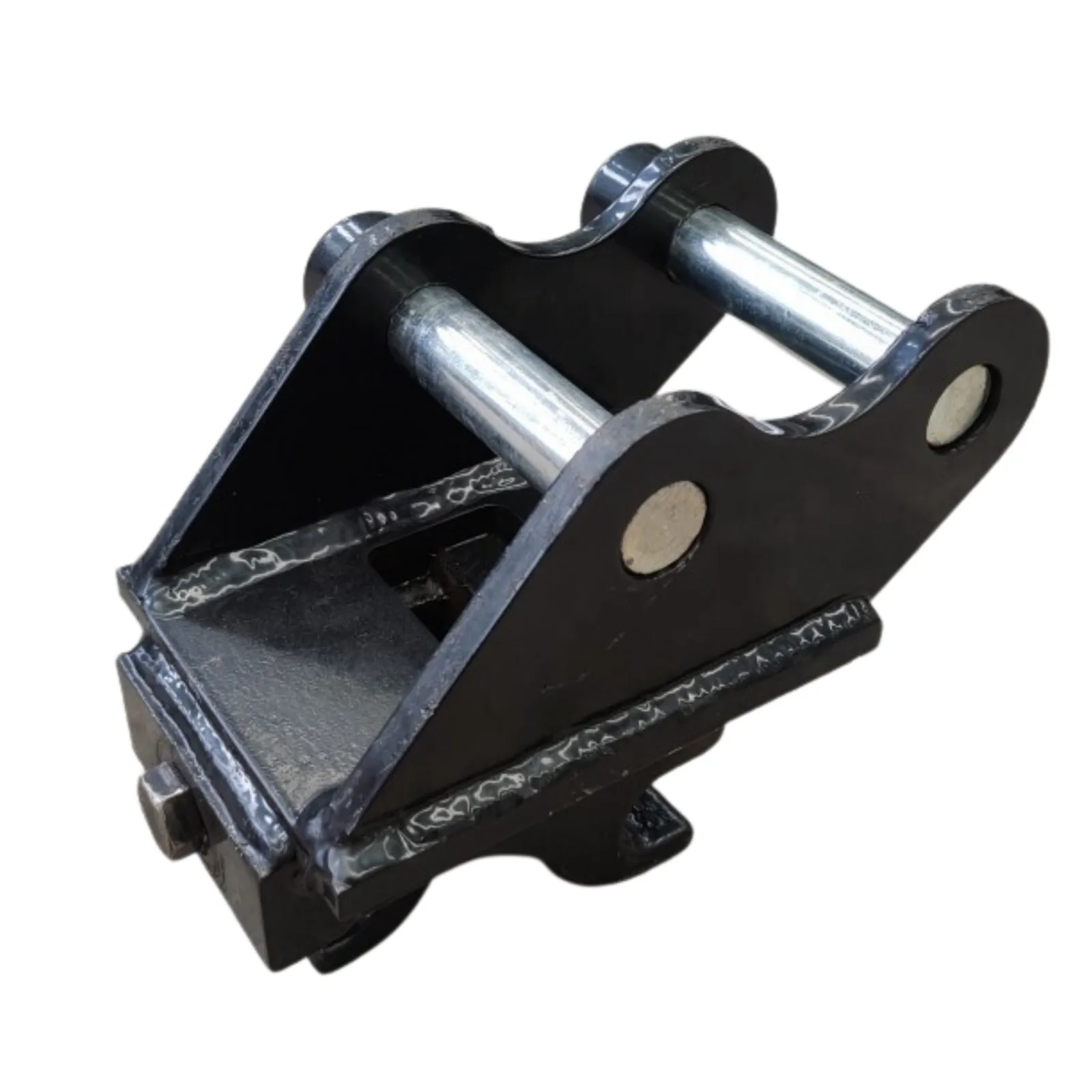
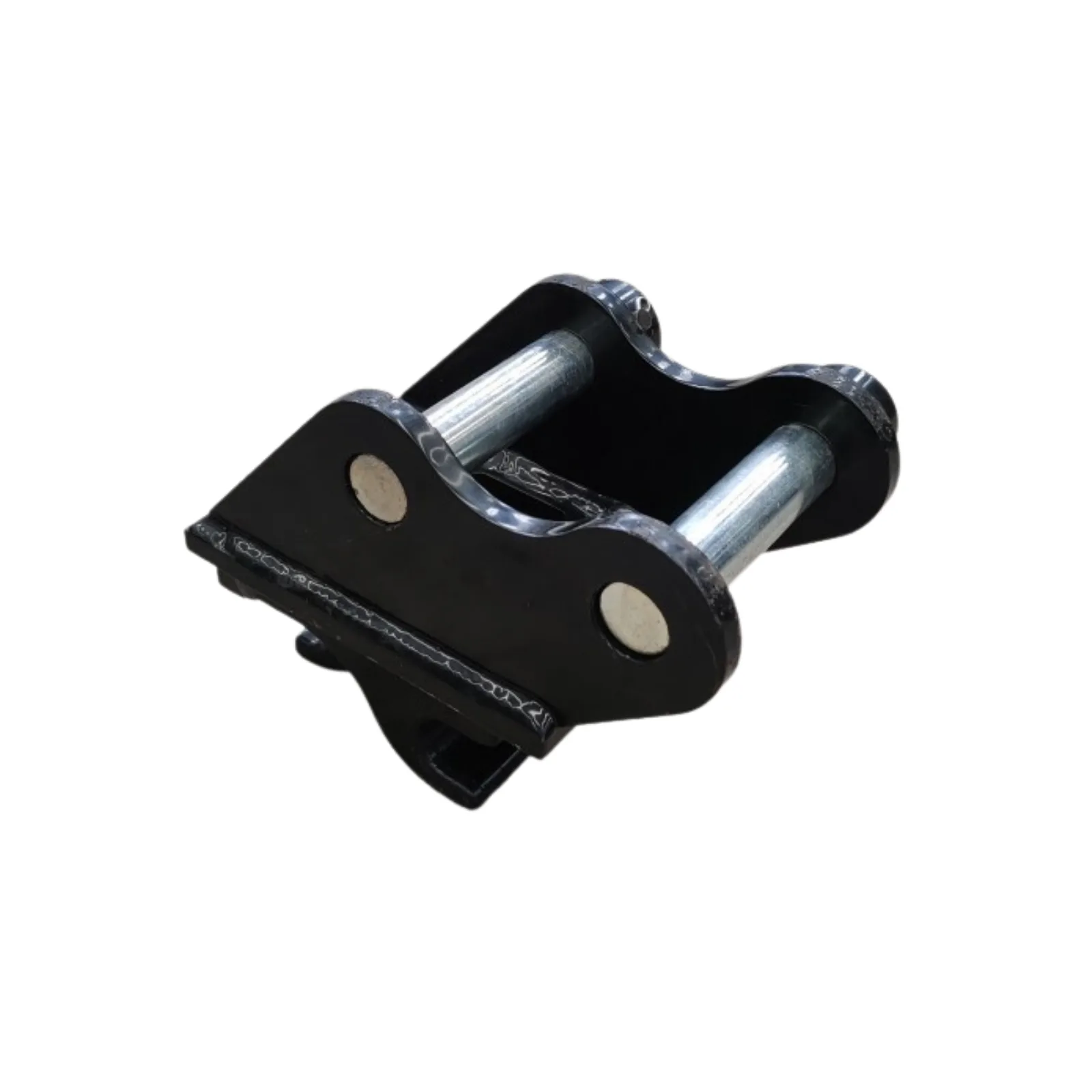
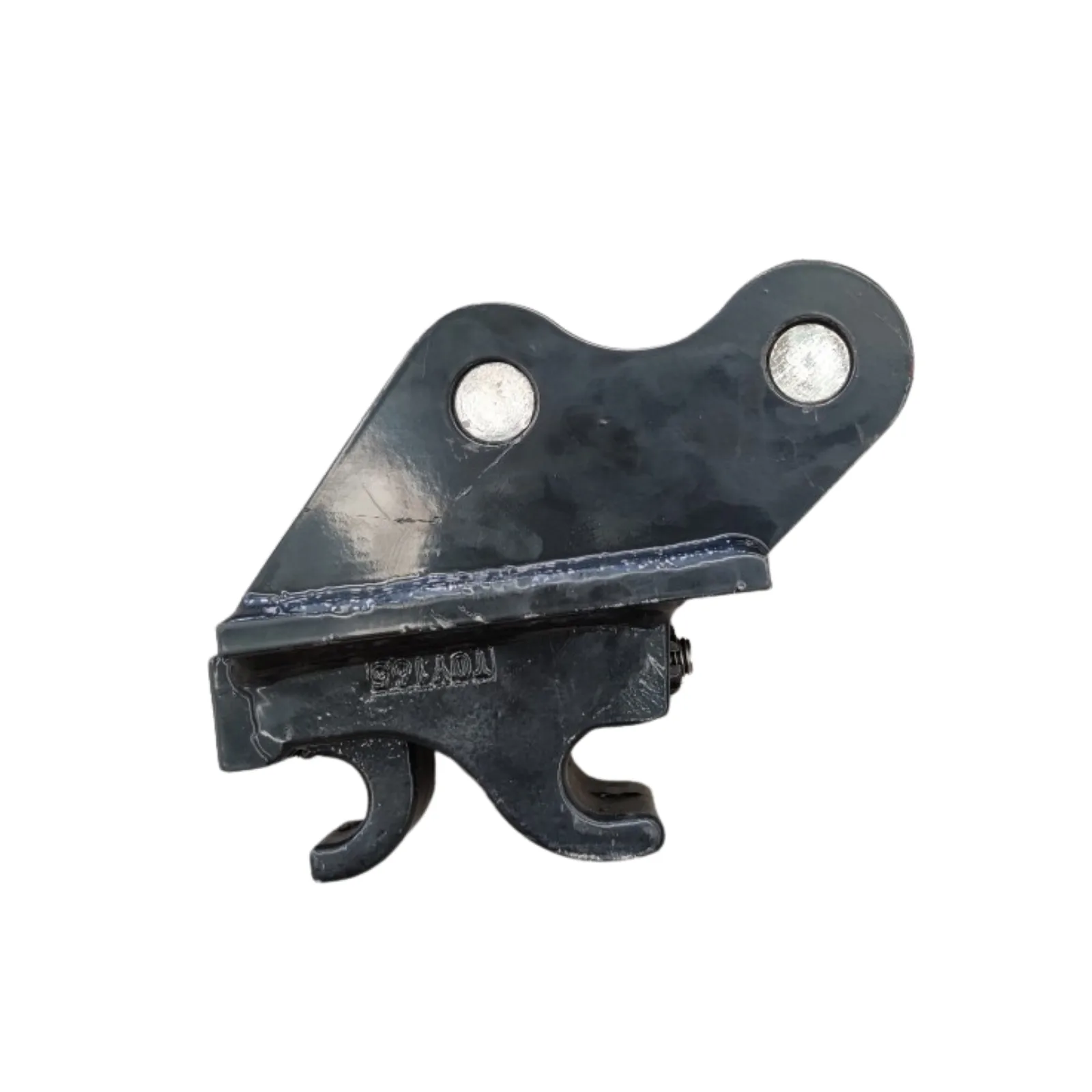
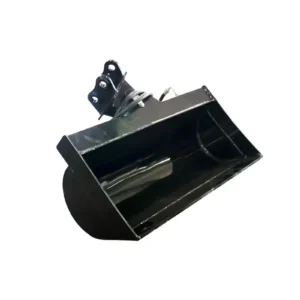
Quick Hitch: Attachment for TYPHON Mini Excavators USA

Original price was: $360.00.Current price is: $0.00.

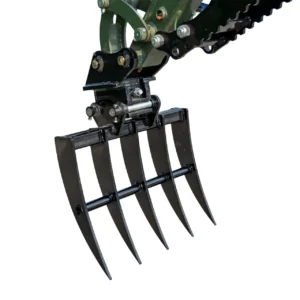
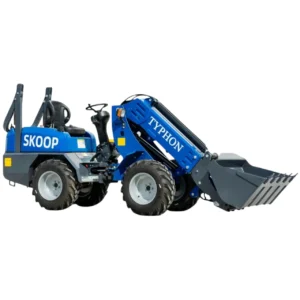
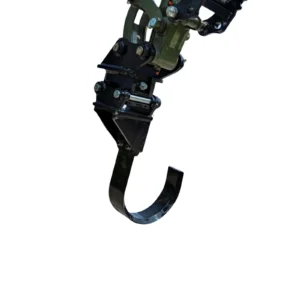
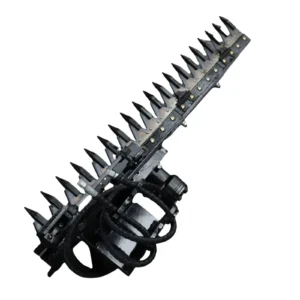
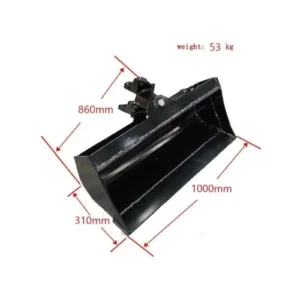
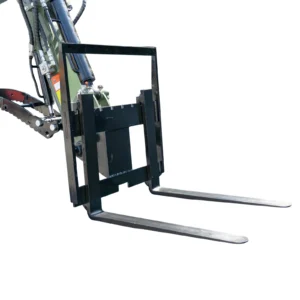
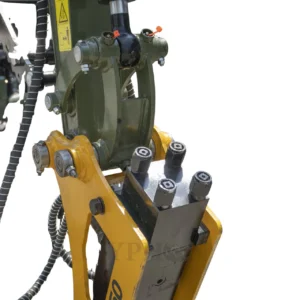
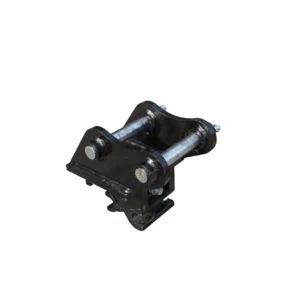
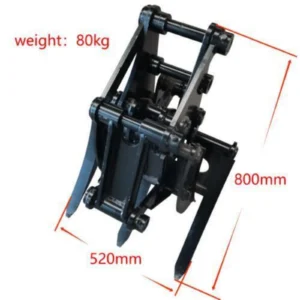
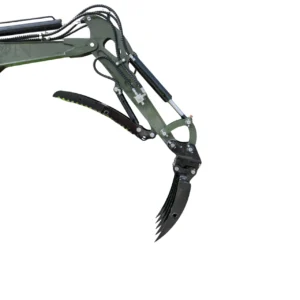
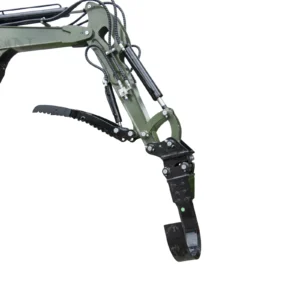
Quick Hitch: Attachment for TYPHON Mini Excavators Quick Hitch: Attachment for TYPHON Mini Excavators gives operators a confident way to swap attachments faster and keep downtime low, with a compact, work-ready feel that looks sharp and performs even better.

Great for multi-tool workflows and faster jobsite transitions. Built to work with mini excavator setups that need confident attachment performance and dependable control. Cuts changeover time so the machine can stay busy doing actual work.
Free shipping, arrives by Thu, Jun 2 to Sacramento
Want to Track Your Order? Add an address to see options

Guarantee Safe Checkout

Description

Quick Hitch: Attachment for TYPHON Mini Excavators Quick Hitch: Attachment for TYPHON Mini Excavators brings a sharp mix of control and toughness to swap attachments faster and keep downtime low.

Compact attitude, jobsite confidence

From first hookup to the last pass of the day, Quick Hitch: Attachment for TYPHON Mini Excavators is aimed at multi-tool workflows and faster jobsite transitions. The setup feels purposeful instead of overcomplicated, so operators can stay locked in on productivity.

  • Purpose-built to swap attachments faster and keep downtime low.
  • A smart choice for crews that want useful capability, cleaner execution, and less wasted time between tasks.
  • Brings the kind of no-nonsense capability that helps smaller machines punch above their size class.

For buyers who want a machine or attachment with style, grit, and everyday usefulness, Quick Hitch: Attachment for TYPHON Mini Excavators is a seriously solid move. Built to work with mini excavator setups that need confident attachment performance and dependable control. Cuts changeover time so the machine can stay busy doing actual work.

Additional information

<h3 id="1">What is a return and exchange policy?</h3> A return and exchange policy is a set of rules a retailer creates to manage how customers return and exchange unwanted merchandise they’ve purchased. These policies tell customers what items can be returned and for what reasons, as well as the timeframe over which returns are accepted. From<a href="https://www.apple.com/shop/help/returns_refund" target="_blank" rel="nofollow noopener noreferrer"> Apple</a>’s strict 14-day return policy, to<a href="https://www.ikea.com/us/en/customer-service/returns-claims/" target="_blank" rel="nofollow noopener noreferrer"> IKEA</a>'s generous 365-day turnaround, just about every major retailer offers return and refund policies to their customers—and your small business should, too. <h3 id="2">Why have a return policy?</h3> A fair return and exchange policy builds trust between a business and its customers. In fact, offering a clear and consistent way for customers to return a purchased item can increase conversion and repeat rates. Giving customers a full refund on their orders can result in a loss of profitability, and knowing that someone disliked your product can be disheartening for business owners who strongly believe in the benefits of their products and services. For these reasons, it can be tempting to avoid creating a comprehensive return and refund policy and leave the mounting problem unaddressed. As you’ll see, however, this would be a mistake.

This is the first item's accordion body. It is shown by default, until the collapse plugin adds the appropriate classes that we use to style each element. These classes control the overall appearance, as well as the showing and hiding via CSS transitions. You can modify any of this with custom CSS or overriding our default variables. It's also worth noting that just about any HTML can go within the .accordion-body, though the transition does limit overflow.
This is the first item's accordion body. It is shown by default, until the collapse plugin adds the appropriate classes that we use to style each element. These classes control the overall appearance, as well as the showing and hiding via CSS transitions. You can modify any of this with custom CSS or overriding our default variables. It's also worth noting that just about any HTML can go within the .accordion-body, though the transition does limit overflow.
This is the first item's accordion body. It is shown by default, until the collapse plugin adds the appropriate classes that we use to style each element. These classes control the overall appearance, as well as the showing and hiding via CSS transitions. You can modify any of this with custom CSS or overriding our default variables. It's also worth noting that just about any HTML can go within the .accordion-body, though the transition does limit overflow.