
How Soil Type Affects Compaction Results
- Admin
- Uncategorized
- 9 Min Read
Every successful construction project begins long before the first load of concrete is poured or the first steel beam is erected. The true foundation of any lasting infrastructure lies deep within the earth itself. Many inexperienced operators look at a job site and see nothing but generic dirt, assuming that any heavy machine rolling over it will eventually create a solid base. However, treating all ground materials exactly the same is a severe operational miscalculation that frequently leads to devastating structural failures and massive financial liabilities.
The reality is that soil type plays a major role in compaction performance. The exact chemical and physical makeup of the ground beneath your equipment directly dictates how that material will respond to mechanical pressure and heavy vibration. This comprehensive guide explores exactly how soil affects compaction across different environments. By mastering the unique behaviors of granular and cohesive materials, controlling vital moisture levels, and strategically matching your machinery to the earth, you will empower your contracting business to deliver uncompromising structural stability and secure highly profitable, long-lasting projects.
The Complex Science Beneath the Surface
The general assumption on many job sites is that applying maximum downward force will solve any foundational challenge. The immediate problem contractors face is that the earth is not a uniform, predictable substance. Natural ground consists of incredibly diverse mixtures of minerals, organic matter, water, and microscopic air voids. Sandy, granular, silty, and clay-heavy soils all possess distinct physical characteristics that completely change how they react when placed under the immense pressure of heavy earthmoving equipment.
Understanding soil compaction by soil type is the definitive solution to building reliable infrastructure. Granular soils like sand and gravel are composed of loose, disconnected particles that rely entirely on friction to hold their shape. Cohesive soils, such as dense clay and heavy silt, feature microscopic particles that physically bind together, creating a incredibly stubborn, sticky mass. Because these materials behave so differently, applying the exact same mechanical force to both will yield drastically different soil compaction results.
The real-world impact of recognizing this chemical diversity is a massive increase in your overall load-bearing strength and foundational stability. When you understand the specific material you are working with, you can engineer a compaction strategy that actively works with the earth rather than fighting against it. You deliver a premium infrastructure asset that resists premature cracking, deep rutting, and destructive foundation settlement. Maximizing this strength requires looking closely at how to handle loose, friction-based materials.
Mastering Granular Soils With Vibratory Energy
When paving crews are tasked with building a load-bearing foundation out of crushed rock, river sand, or heavy gravel, relying exclusively on static weight presents a severe limitation. Granular materials are highly abrasive and naturally resist locking tightly together when simply pressed from above. If you attempt to compact a deep lift of loose sand using only the static weight of a smooth steel drum, the material will constantly shift and displace outward, much like trying to compress a bowl of dry sugar. The bottom layers remain completely loose, creating a hidden weak point that will eventually cause the entire road to fail.
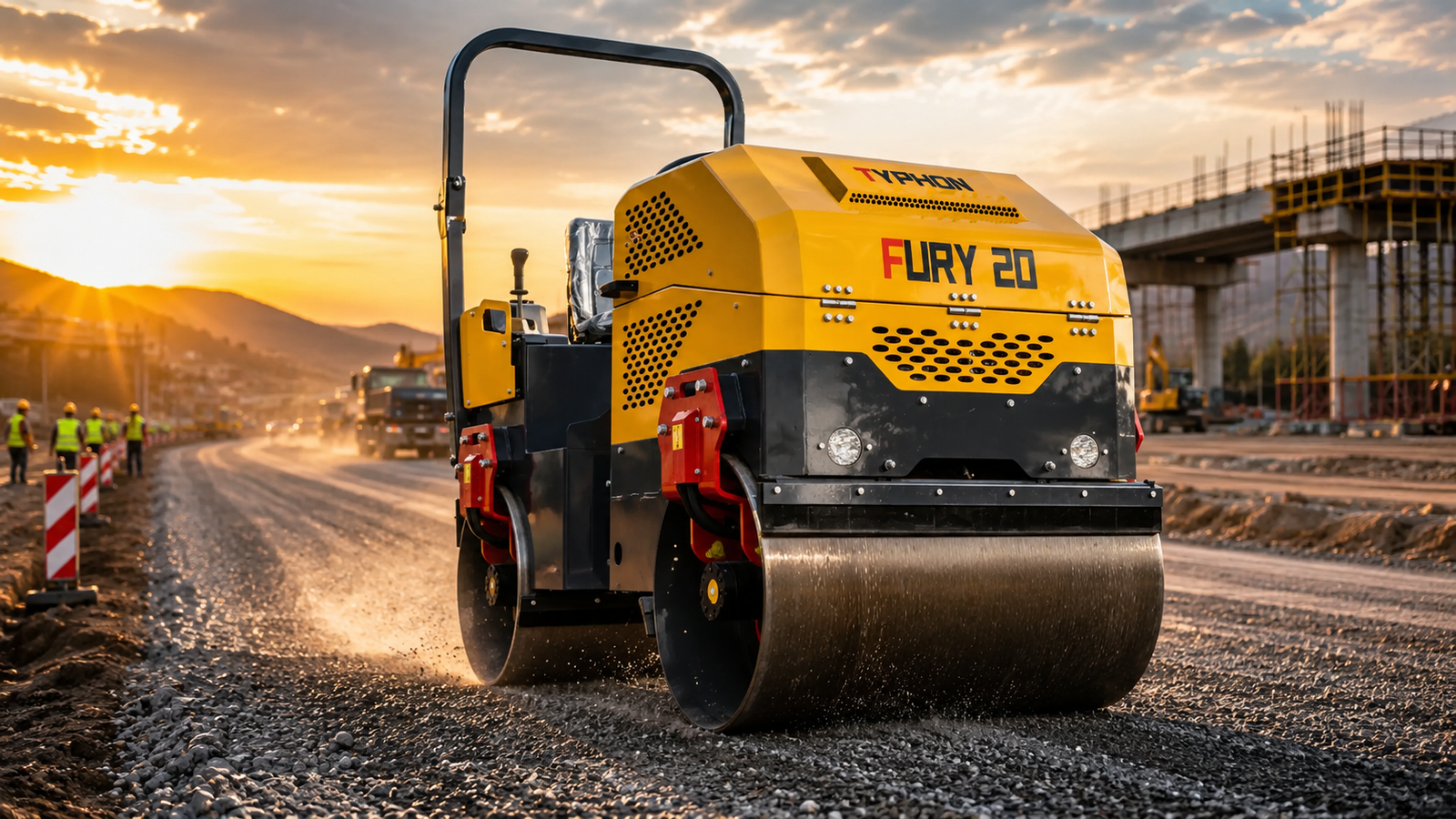
Granular soils often respond exceptionally well to aggressive vibratory compaction. The dynamic vibration generated by modern road rollers briefly breaks the natural friction between the jagged aggregate particles. As the ground shakes violently, the particles rapidly slide into the tightest possible formation, completely eliminating the microscopic air voids hidden deep beneath the surface. This advanced mechanical action allows vibratory rollers to achieve deep, uniform density in a fraction of the time, forcing the loose stones to lock together into a rigid, unyielding matrix.
Deploying vibratory rollers on these specific materials drastically accelerates your project timelines. Your operators achieve target density with fewer controlled passes, allowing the entire paving train to advance aggressively ahead of schedule. You capture massive savings on your daily operating overhead while delivering a highly durable infrastructure asset. While vibration is incredibly powerful for loose gravel and sand, applying this same aggressive energy to sticky, dense earth creates an entirely new set of expensive challenges.
Conquering Cohesive Soils and Heavy Clay
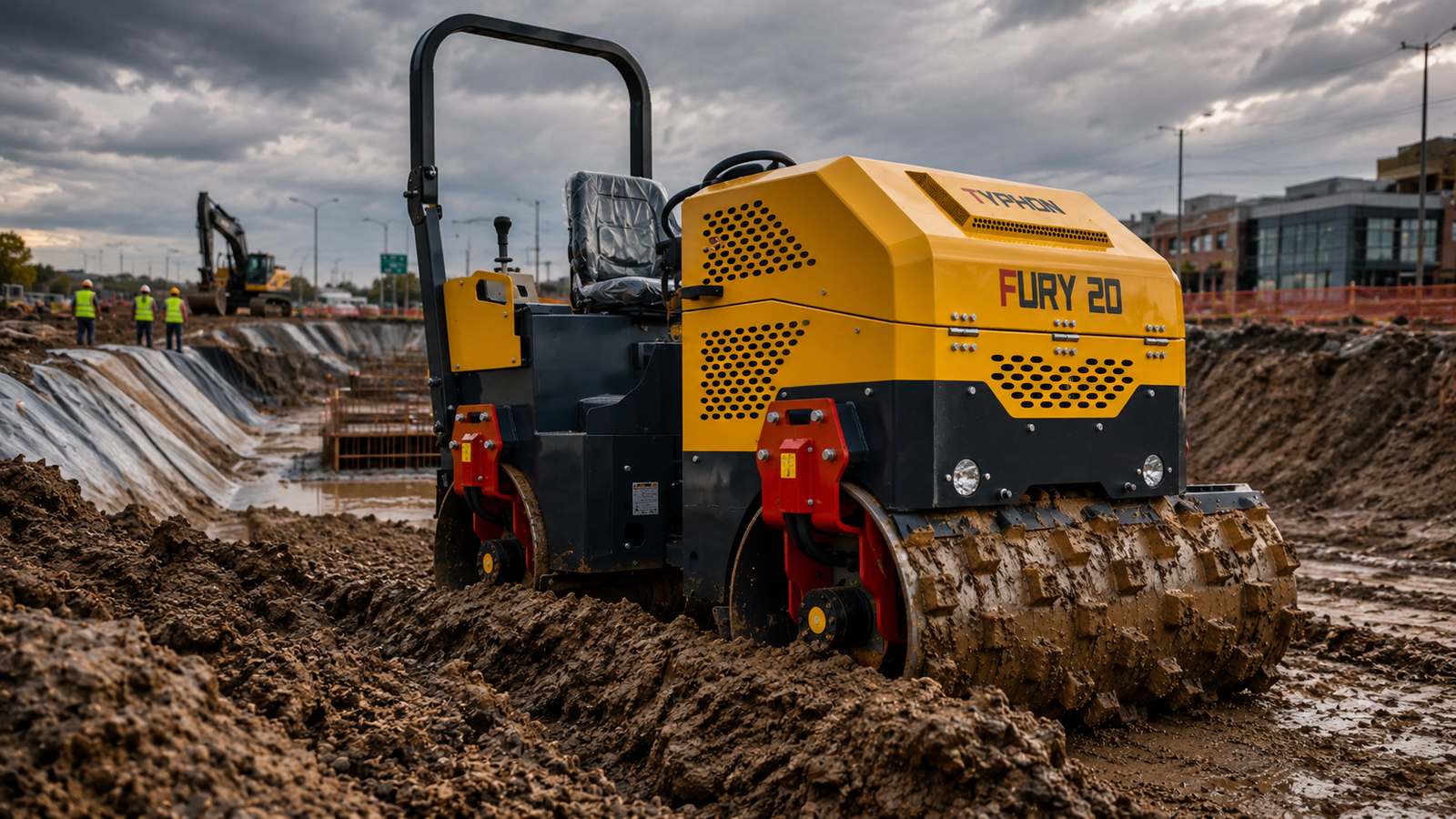
Contractors frequently encounter job sites dominated by heavy clay and dense silt, particularly in deep utility trenches and massive commercial earthmoving projects. The persistent challenge with cohesive soils is their stubborn reluctance to release trapped air and moisture. Because the microscopic particles are tightly bound together by strong molecular forces, these materials actively absorb and dampen the dynamic energy generated by standard vibratory rollers. If an operator attempts to use a smooth drum vibratory roller on wet clay, the machine will simply seal the top crust, trapping the moisture inside and leaving the deep foundation dangerously soft and unstable.
Mastering compaction for clay vs sand requires an entirely different mechanical approach. Cohesive soils demand high-impact, kneading pressure to physically shear the bound particles apart and force out the trapped air. Contractors rely heavily on specialized padfoot or “sheepsfoot” rollers to conquer these environments. The heavy steel pads aggressively punch deep through the sticky surface, kneading the clay from the bottom up. As the machine makes successive passes, the pads walk out of the ground, ensuring that the entire lift is densely packed and structurally sound.
By utilizing the correct kneading machinery, you deeply protect your company against expensive municipal test failures and long-term warranty repairs. Your crews maintain complete control over the foundation’s stability, ensuring the subgrade cures perfectly and supports the heavy infrastructure above it. Guaranteeing this level of perfection, however, requires project managers to continuously evaluate and manipulate the exact amount of water present in the earth.
The Critical Role of Moisture Content
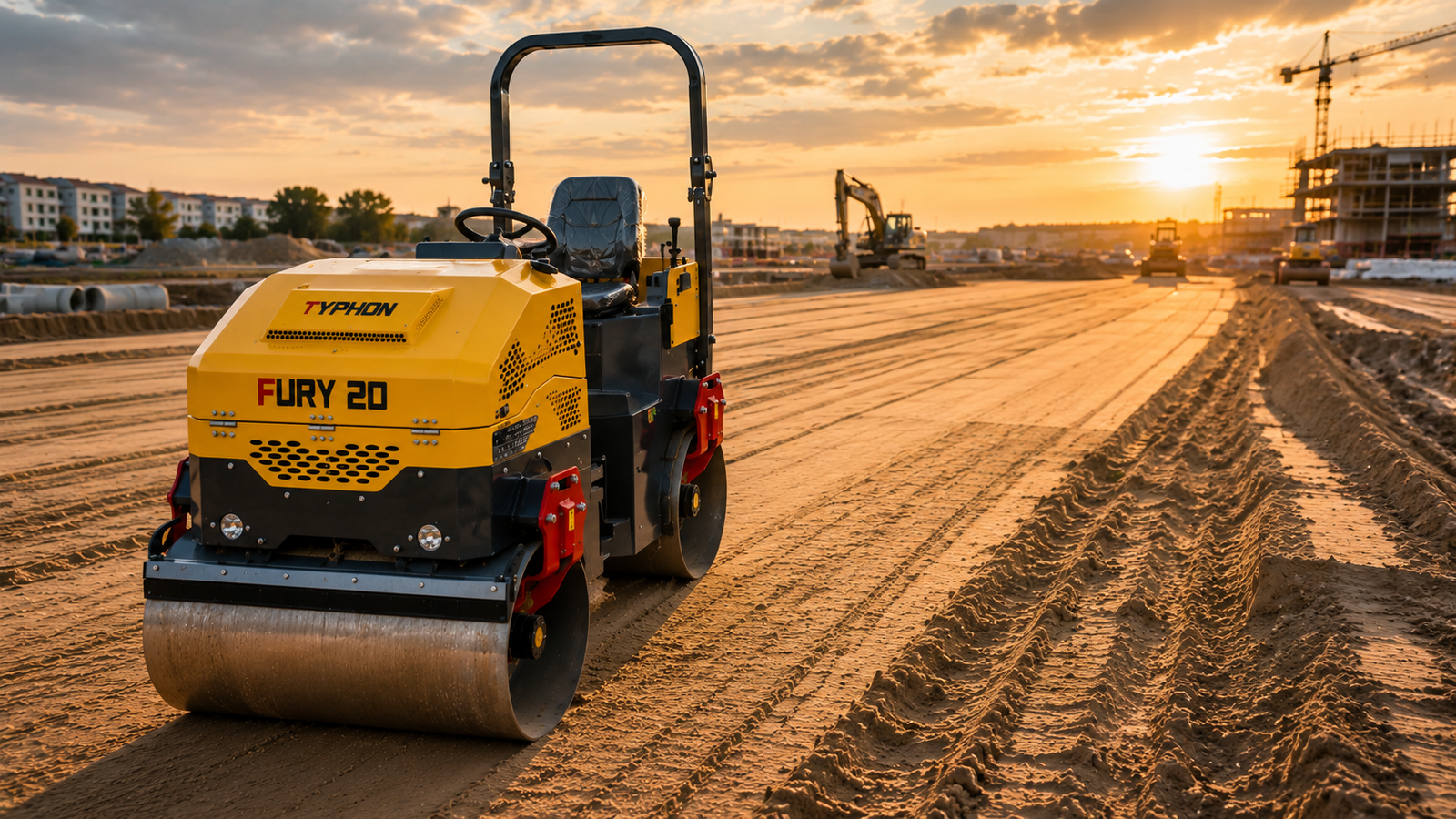
Earthmoving and site development are heavily dictated by the physical state of the materials, which shift dramatically based on local weather patterns and ground conditions. A persistent, highly expensive challenge on any infrastructure job site is managing the extreme variables of water. Moisture content is critical because both overly wet and overly dry soil severely reduce compaction quality. Excessive moisture quickly turns cohesive clay into a soupy mud that simply pushes away from the roller drum without ever gaining density. Conversely, severely dry conditions prevent granular soils from binding together, leaving the base material loose and prone to destructive shifting.
Overcoming these severe climate conditions requires strict material management and highly disciplined moisture control strategies. Every specific soil type possesses an Optimum Moisture Content (OMC)—the exact percentage of water required to achieve maximum dry density. Contractors must actively condition their soil bases to hit this perfect target. This often involves utilizing heavy water trucks to carefully introduce moisture to dusty, dry dirt, or aggressively discing wet clay with tractors to allow the sun to evaporate excess water before the rollers ever touch the ground.
Executing this precise environmental timing prevents severe foundational weakness and ensures your compaction efforts yield maximum results. You completely avoid the devastating financial penalty of failing a municipal density test because the material was rolled too cold or too wet. Your crew leaves behind a beautifully sealed, resilient surface that meets the absolute highest engineering standards. Failing to respect this delicate balance guarantees a cascade of job site failures.
The High Cost of the Wrong Compaction Method
The heavy construction industry is an unforgiving environment where poor decisions instantly erode profit margins and damage professional reputations. The persistent danger on the job site is a lack of communication between project managers and equipment operators regarding the specific nature of the earth they are manipulating. If an operator blindly applies the exact same machinery and techniques to every single contract, they will inevitably encounter materials that refuse to compact.
Choosing the wrong compaction method for the soil can lead to exceptionally poor density, uneven ground settling, and catastrophic structural failure. When a machine is mismatched to the earth, operators are forced to make excessive, redundant passes in a desperate attempt to hit their density numbers. This futile effort results in massively wasted fuel, heavily accelerated wear and tear on expensive equipment, and completely destroyed daily production schedules. When a municipal inspector inevitably fails the site, your crew is forced to rip out the defective material and start the entire laborious process over from scratch.
Avoiding these devastating scenarios requires strict operational discipline and comprehensive job site planning. You optimize your machine’s fuel consumption and preserve your working capital by ensuring the right drum hits the ground under the exact right moisture conditions. You build a powerful reputation as a meticulous contractor who delivers uncompromising quality on the very first attempt. Executing this flawless performance requires a systematic, scientific approach to project evaluation.
Evaluating Soil Behavior for Equipment Selection
Achieving perfect structural density does not happen by accident; it is the direct result of applying precise physics to a carefully analyzed environment. The challenge for business owners is navigating the complex variables of every unique contract. A highway expansion project built over a sandy riverbed requires a completely different mechanical approach than a commercial parking lot carved out of a heavy clay hillside. Relying on guesswork or outdated habits guarantees wildly inconsistent results across your business portfolio.
Contractors must actively evaluate soil behavior before selecting equipment and setting their final compaction targets. Professional site development begins with comprehensive geotechnical testing to identify the exact composition of the earth and establish the optimum moisture content. Armed with this scientific data, equipment buyers and project managers can strategically deploy heavy vibratory rollers for their granular bases, and deploy aggressive padfoot machinery for their cohesive trenches.
Take a highly strategic look at your current equipment fleet and demand absolute excellence from your earthmoving operations. Understanding soil type helps improve road quality, guarantees deep foundation stability, and maximizes your overall job site efficiency. By partnering with trusted equipment experts and understanding the critical differences between these powerful machines, you guarantee that your company deploys the most effective solutions possible. Invest confidently in your compaction strategy, and build a fiercely capable contracting business that delivers unyielding reliability to every single customer.
