
Single Drum vs Double Drum Road Rollers: Features, Benefits, and Best Uses
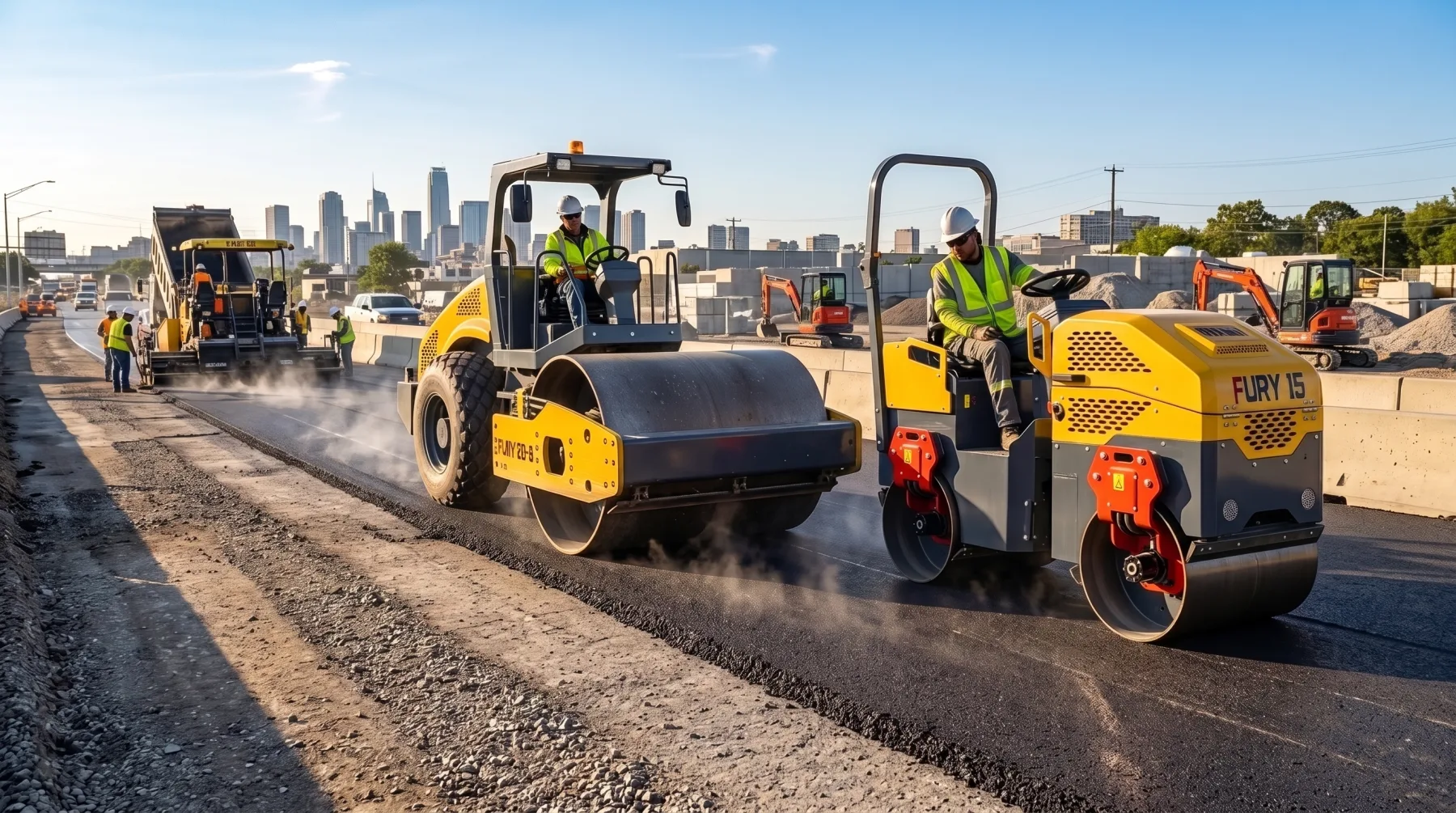
The base is graded, the material is spread, and now everything rides on one step: compaction. Skip it or do it wrong, and the whole job settles, cracks, or fails within a season. That's when the question hits you at the rental counter or the dealer lot: single drum or double drum? They look similar from across the yard, but they compact differently, fit different jobs, and can make or break your finished surface.
Understanding the difference before you choose can save both time and money. While both machines are designed to compact materials, they apply force in different ways and are intended for different stages of construction. Selecting the wrong roller can lead to inefficient compaction, unnecessary passes, and surfaces that fail to meet project requirements.
Whether you're building roads, preparing foundations, paving parking lots, or maintaining driveways, the right roller depends on the material you're compacting and the finish you need to achieve. Knowing where each machine performs best will help you choose equipment that delivers better results, improves productivity, and reduces the risk of costly rework.
How Each Roller Type Works and What Sets Them Apart
Before you can choose, you need to understand what's actually rolling under you. Both machines compact material by applying weight and vibration, but the way they're built shapes everything else, from the surfaces they suit to how they move.
While the underlying engineering relies on gravity and force, the practical experience of operating them is completely different. The physical structure of each roller dictates its turn radius, weight distribution, and traction control. Because of this, one machine might glide effortlessly over smooth, sensitive asphalt surfaces, while the other is purpose-built to chew through loose, uneven dirt and steep inclines without getting bogged down or losing grip.
Single Drum Rollers: One Drum, One Job Done Well
A single drum roller carries one steel drum up front and rubber tires at the rear. The drum does the compacting while the tires drive and steer, giving the machine strong traction on loose and uneven ground.
That design makes single drums the workhorses of earthwork. They handle soil, gravel, and granular base with confidence, and the tires let them climb slopes and push through soft material without getting stuck. Most models add vibration to the drum, driving compaction force deep into the layer below.
Double Drum Rollers: Two Drums for a Smooth Finish
A double drum roller replaces the rear tires with a second steel drum, so both ends are compact at once. That means two passes of pressure in a single trip and a smoother, more uniform surface behind the machine.
This setup is built for finish work, especially asphalt. Both drums roll the surface flat and consistent, which is exactly what a paved lot or roadway needs. The tradeoff is less traction, since steel drums grip loose ground far less than rubber tires.
Single drum: One steel drum plus drive tires for traction.
Double drum: Two steel drums for double the compaction per pass.
Vibration: Both types typically vibrate to boost compaction force.
Best feel: Single drums push through rough ground; double drums finish flat.
Takeaway: A single drum is built for traction and deep soil compaction, while a double drum is built for smooth, even surface finishing on asphalt.
Compaction Performance and Best Material Applications
The right roller depends heavily on what you're compacting. Match the machine to the material and you get a solid, lasting surface. Mismatch them and you fight the job the whole way through. Understanding how each roller transfers compaction force is the key to making the right choice.
Single drum rollers are best suited for compacting soil, gravel, crushed stone, and other granular materials during site preparation and foundation work. Double drum rollers, with steel drums at both the front and rear, excel on asphalt and other finished surfaces by delivering smooth, uniform compaction. Choosing the correct roller for the material not only improves density and surface quality but also reduces the number of passes required to complete the job.
Where Single Drums Excel
Single drum rollers shine on subgrade and base work. Their drum weight and vibration drive force deep, compacting thick lifts of soil and aggregate that support everything built on top.
They're the go-to for site prep, road foundations, embankments, and trench backfill. The rear tires also add a light kneading action that helps bind granular material together.
Soil and subgrade for building pads and road foundations.
Gravel and crushed aggregate for base layers.
Embankments and fill that need deep, stable compaction.
Trench backfill where firm, settled ground matters.
Where Double Drums Excel
Double drum rollers own the finish layer, especially hot asphalt. Both steel drums press the surface flat, sealing it tight and leaving the smooth, even finish that paved areas demand.
They also work well on thinner lifts and tighter tolerances, where consistency across the surface counts more than deep force. For parking lots, driveways, and roadway top coats, the double drum is the standard choice.
Hot-mix asphalt for roads, lots, and driveways.
Thin surface lifts need an even, sealed finish.
Bike paths and walkways where smoothness is visible.
Patch and overlay work on existing pavement.
Maneuverability, Jobsite Fit, and Ease of Use
Compaction power only matters if the machine can work where you need it. How each roller moves, turns, and handles your site conditions often decides which one actually earns its keep.A machine that packs immense compaction power is useless if it spends half the day backing up or chewing up the subgrade during a turn.
Jobsite layout and spatial constraints usually dictate this choice before the machine even unloads from the trailer. Articulated smooth drum rollers excel in wide-open stretches where they can maintain long, continuous passes, but their larger footprint makes tight corners or urban utility trenches a constant battle. On the flip side, smaller padfoot models or dual-drum asphalt rollers offer the nimble steering and tighter turning radiuses required to dance around structures, manholes, and existing curbs without causing accidental damage.
Traction and Terrain
Single drums handle rough, loose, and sloped ground far better thanks to their rubber drive tires. On a soft subgrade or an unfinished site, that grip keeps you moving where a double drum would spin and slide.
Double drums prefer firm, prepared surfaces. On finished base or fresh asphalt they track cleanly, but they struggle on loose or steep ground where the smooth steel drums can't dig in.
Turning, Access, and Visibility
Double drum rollers are designed for excellent maneuverability, making them well suited for tight paving areas, confined spaces, and jobs that require frequent, precise turns. Their symmetrical design allows operators to work efficiently in either direction without repositioning the machine, while also providing smooth tracking on firm, finished surfaces. This makes them an ideal choice for asphalt paving and other finish-grade applications where accuracy is essential.
Single drum rollers are better suited for open earthwork projects and challenging ground conditions. Their drum-and-tire configuration provides better traction on loose, uneven, or sloped terrain, while offering clear visibility of the drum edge for accurate soil compaction. Choosing a roller that matches your site conditions and available working space improves productivity, simplifies operation, and helps achieve consistent compaction results.
Choosing the Right Roller for Your Project
There's no single best roller, only the right match for your work. Line up the machine with your materials, your site, and your budget, and the choice becomes clear. Taking the time to evaluate your project's requirements will help you avoid unnecessary costs and achieve better compaction results.
If your work focuses on earthmoving, site preparation, or foundation construction, a single drum roller is typically the better choice. For asphalt paving, parking lots, pathways, and other surface finishing applications, a double drum roller delivers the smooth, consistent finish those projects require. Matching the roller to your primary workload ensures better productivity, improved surface quality, and a more efficient use of equipment.
When a Single Drum Makes Sense
Choose a single drum if your work centers on earthwork, site prep, and base compaction. It's the right call for building foundations, roadbeds, embankments, and any job where deep, stable ground is the goal.
If you work on loose or sloped sites, the tire traction alone justifies the pick. Contractors who move dirt and lay base far more often than they pave will get the most out of a single drum.
When a Double Drum Makes Sense
Choose a double drum if asphalt finishing is a regular part of your work. Paving crews, lot builders, and anyone chasing a smooth, sealed top surface will find it the clear tool for the job.
Its speed on flat, prepared surfaces and its clean finish make it ideal for driveways, parking lots, and road top coats where appearance and smoothness matter.
Match the Machine to the Full Picture
Before choosing a road roller, consider the overall demands of your project rather than a single application. Match the roller to the material you'll compact most often, with single drum models suited for soil and base layers and double drum models better for asphalt and finish work. Also consider site conditions, surface quality requirements, and select a drum width and weight that fit the job. Finally, decide whether buying or renting makes the most sense based on how often you'll use the machine.
Conclusion
Choosing between a single drum and a double drum roller comes down to the work you do most. A single drum delivers the traction and deep compaction that earthwork, site prep, and base layers demand, while a double drum gives you the smooth, sealed finish that asphalt paving requires. Match the machine to your material, your terrain, and your surface goals, and you'll build results that hold up for years.
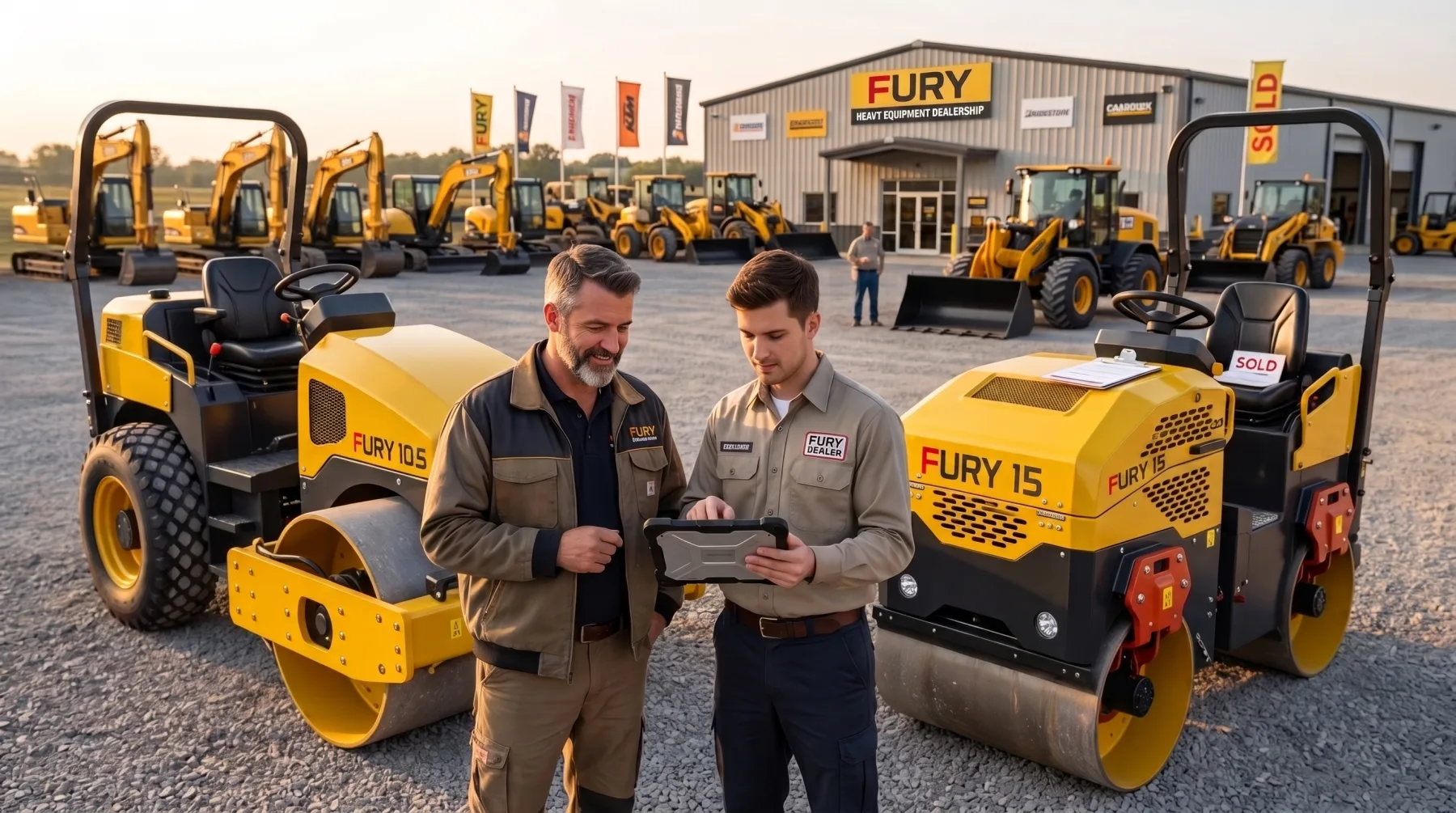
Ultimately, the right choice comes down to your bread-and-butter contracts. Evaluate your upcoming pipeline: are your crews primarily wrestling with raw earth and deep aggregate, or are they tasked with delivering flawlessly smooth asphalt? Let your core workload dictate the investment. When you are ready to pull the trigger, partner with a heavy equipment expert who can cut through the spec sheets. They will help you lock in the exact drum configuration and weight class needed to hit your compaction targets flawlessly on the very first pass.
Frequently Asked Questions
How many passes does a roller need for proper compaction?
It depends on the material, lift thickness, and machine weight, but most jobs need three to six passes to reach target density. Compacting in thin, even lifts helps you hit density faster and more uniformly. The best practice is to test compaction with a density gauge rather than guessing, since over-rolling can loosen or damage some materials.
What's the difference between static and vibratory compaction?
Static compaction relies purely on the machine's weight pressing down, while vibratory compaction adds a rapidly oscillating drum that drives force deeper into the material. Vibratory mode compacts thicker lifts and denser results in fewer passes. Many rollers let you switch vibration off for finish passes or on thin asphalt layers, where too much force can cause cracking or displacement.
How do you maintain a road roller to keep it running reliably?
Check fluid levels, tires, and the drum surface daily, and keep the drum scrapers and water spray system clean so asphalt doesn't stick. Inspect the vibration system and follow the manufacturer's service intervals for filters, hydraulics, and lubrication. Storing the machine clean and dry prevents rust on the drums and protects your investment over the long haul.
