
What Happens If a Road Is Not Properly Compacted?
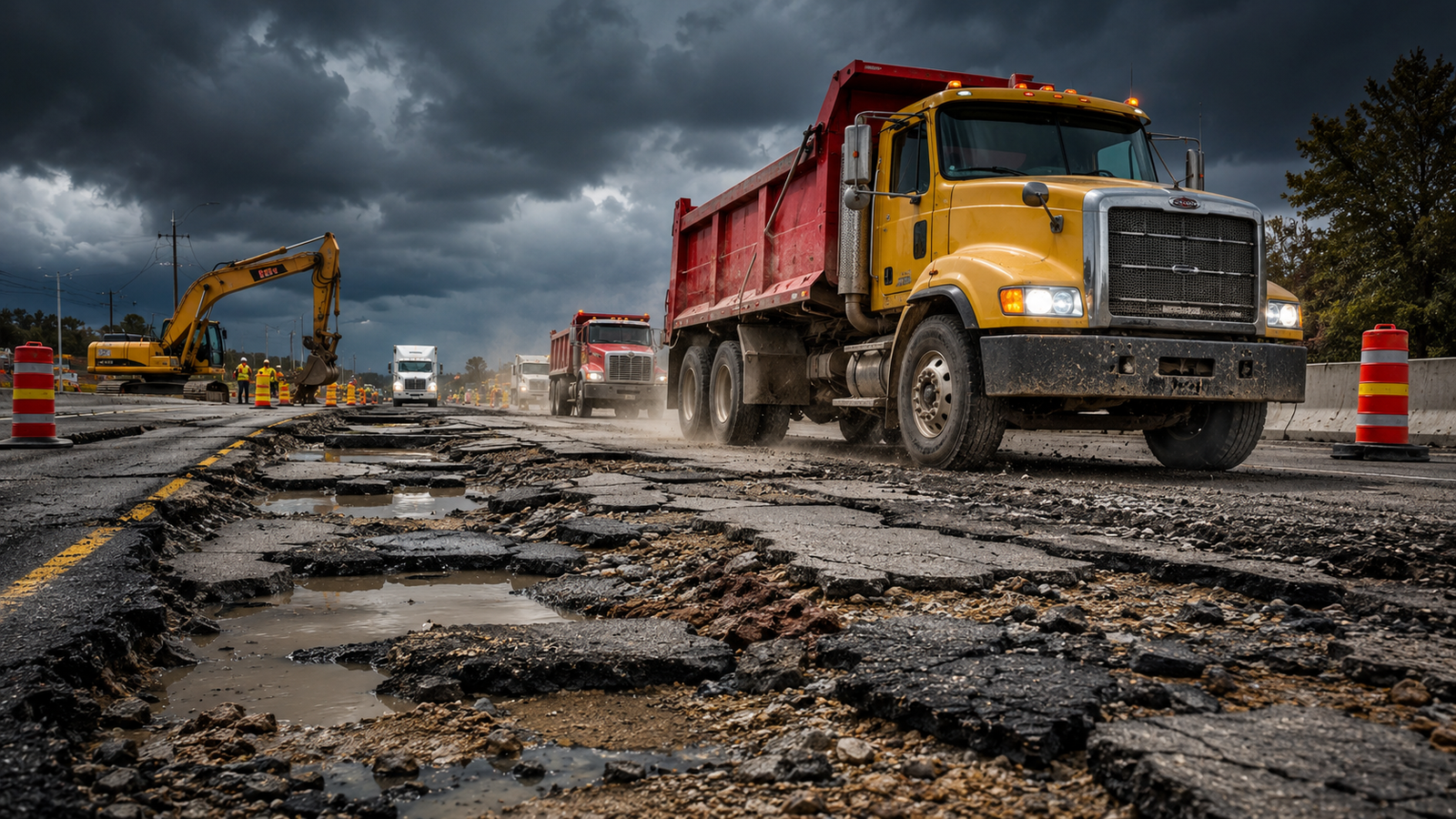
What Happens If a Road Is Not Properly Compacted?
A freshly paved highway presents a beautiful illusion of permanence and strength. The dark, smooth asphalt looks entirely capable of supporting thousands of heavy commercial trucks every single day. However, looking only at the surface layer ignores the complex engineering required to keep that road intact. The actual durability of any infrastructure project is determined long before the paving crew arrives, relying entirely on the mechanical pressure applied to the earth and gravel beneath it. Improper compaction is one of the fastest ways to undermine road performance and completely destroy your project’s profitability.
Road failures almost always begin deep below the surface when foundational layers contain too many air voids or lack sufficient density. When contractors rush the site preparation phase, they leave behind a hidden structural weakness that heavy traffic will inevitably expose. This comprehensive guide explores exactly what happens if a road is not compacted properly. By understanding how uncompacted materials lead to structural collapse, water infiltration, and early pavement failure, infrastructure professionals can make highly informed decisions that protect their budgets, improve public safety, and deliver uncompromising quality to their clients.
The Hidden Danger Beneath the Surface
The general assumption among inexperienced builders is that moving heavy dirt around and flattening it out with a bulldozer is enough to prepare a site for paving. The immediate problem with this approach is that natural soil and crushed gravel are full of microscopic air pockets. When these loose materials are simply pushed into place, those empty voids remain trapped deep inside the foundational layers. Building a heavy roadway on top of material that lacks sufficient density is the exact equivalent of building a commercial structure on top of a giant sponge.
When heavy road rollers fail to squeeze out these hidden air voids, the base layer retains a highly unstable physical structure. True compaction requires applying immense, targeted mechanical force to aggressively push the jagged aggregate particles together until they lock into a rigid, unyielding matrix. If you skip this vital step, the individual particles remain completely disconnected, relying purely on weak, natural friction to hold the massive weight of the pavement above them.
The real-world consequence of ignoring this foundational requirement is a total loss of structural integrity. You deliver a fundamentally flawed infrastructure asset that looks perfect on opening day but harbors severe internal weaknesses. Understanding how this hidden danger manifests requires looking closely at what happens when commercial vehicles finally begin driving across the compromised surface.
Uneven Settlement and Weak Load-Bearing Capacity
Roadways are designed to support an incredible amount of kinetic energy and static weight. Fully loaded commercial tractor-trailers apply massive, concentrated downward pressure through their tires directly into the pavement. If a paving crew applies a premium asphalt mat over an uncompacted base, the road physically cannot handle the stress. Because the contractor failed to use heavy equipment to remove the air voids, the relentless weight of the commercial traffic will naturally do the compaction work for them.
This forced, uncontrolled compression leads directly to severe, uneven settlement. As the heavy vehicles drive over the road, the loose soil and gravel deep beneath the surface violently shift and collapse into the empty air pockets. Because this settling happens unpredictably under active traffic, the road loses its uniform support structure. This creates a weak load-bearing capacity across the entire job site, meaning the earth can no longer push back against the weight of the vehicles traveling above it.
As the foundational support vanishes, the rigid asphalt or concrete on top has nowhere to go but down. The pavement bends and distorts as it attempts to follow the sinking earth below. You are left with a dangerous, undulating roadway that causes drivers to lose control and damages vehicle suspensions. This severe loss of underlying support is merely the first phase of a catastrophic failure, paving the way for aggressive physical damage to the surface itself.
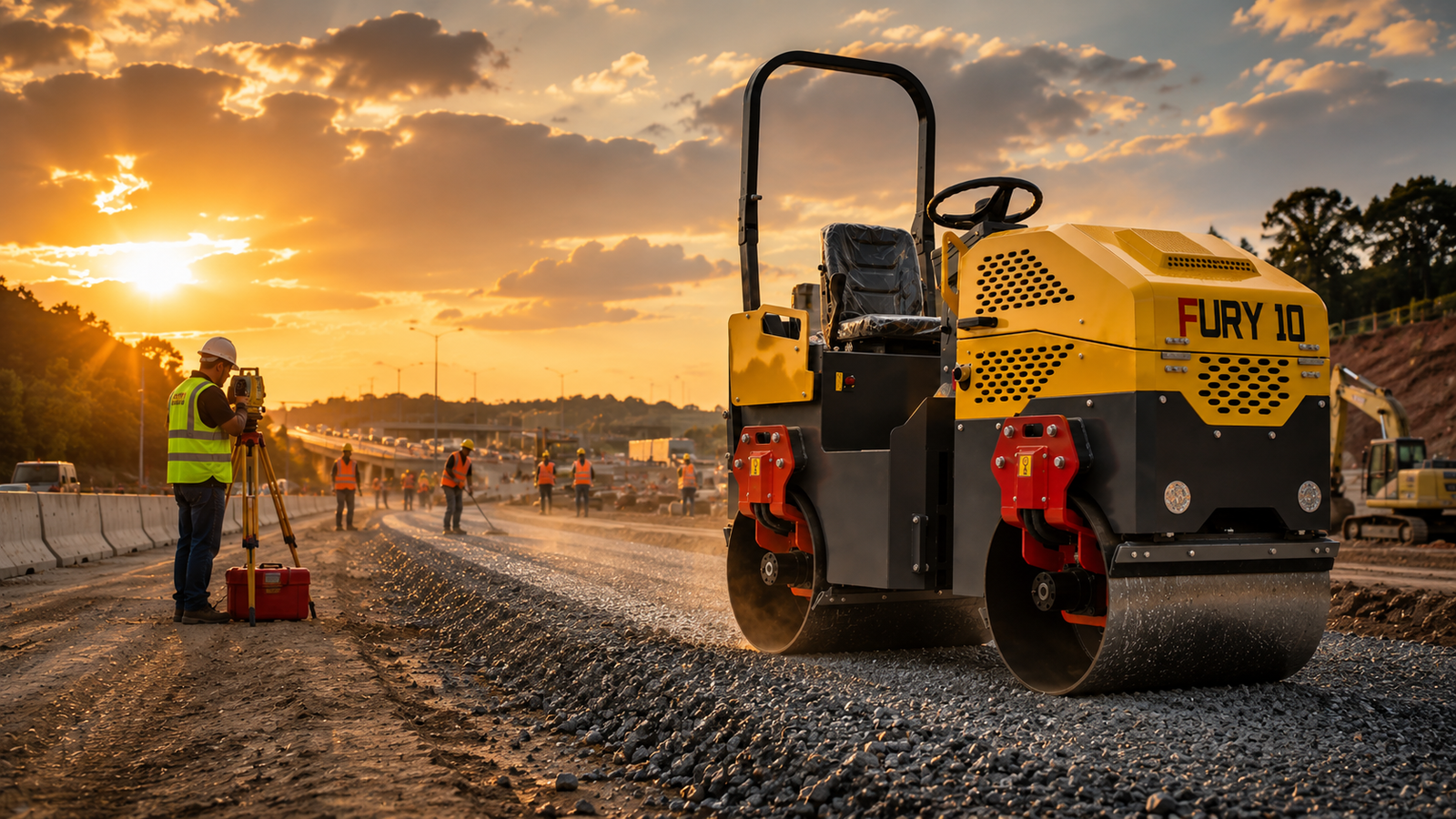
The Threat of Rutting, Cracking, and Potholes
Asphalt is an incredibly durable material, but it requires a solid, immovable base to function correctly. When uneven settlement occurs, the asphalt is forced to stretch and bend far beyond its designed flexibility limits. The immediate, highly visible result of poor road compaction is severe surface rutting. Deep, dangerous grooves form exactly in the wheel paths of heavy trucks as the pavement sinks into the soft, uncompacted base below. These ruts pull vehicles out of their lanes and create massive safety hazards for high-speed traffic.
As the pavement continues to flex under the weight of passing vehicles, the tension eventually tears the asphalt apart. This leads to massive structural cracking across the entire width of the roadway. What begins as microscopic hairline fractures quickly spiderwebs into massive fissures as the unsupported asphalt literally breaks under the pressure. Once the pavement shatters into smaller, disconnected pieces, the friction of heavy truck tires easily tears those chunks away from the road surface, creating deep, tire-destroying potholes.
These road compaction problems transform a brand-new highway into an active hazard zone in a matter of months. This accelerated deterioration is universally known as early pavement failure, and it completely ruins the reputation of the contracting firm responsible for the work. Unfortunately, once the asphalt layer cracks open, it exposes the already weakened foundation to the most destructive force in nature.
Water Infiltration and Accelerated Decay
A perfectly compacted and sealed road acts as a waterproof barrier, aggressively shedding rain and melted snow into the municipal drainage system. However, when poor compaction causes the surface to crack and form potholes, that vital waterproofing is completely destroyed. Surface cracks act as open funnels, actively directing thousands of gallons of stormwater directly down into the compromised subgrade.
Water infiltration is an absolute death sentence for a poorly compacted road. As the water floods into the loose base layers, it acts as a lubricant, further separating the gravel and soil particles and completely washing away any remaining load-bearing strength. In colder climates, this trapped moisture creates an even more devastating problem. As the water freezes, it expands with immense hydraulic pressure, violently pushing the pavement upward in a process known as frost heaving. When the ice eventually melts, it leaves behind massive empty cavities, causing the entire roadway to collapse inward.
This aggressive, weather-driven erosion turns a manageable maintenance issue into a total structural washout. The rapid deterioration forces municipalities to completely shut down the affected lanes, causing massive traffic delays and triggering emergency repair protocols. Preventing this extensive water damage requires a deep understanding of exactly why the site preparation failed in the first place.
The Root Causes of Compaction Failures
Achieving perfect material density is a highly scientific process that requires strict operational discipline. When a project suffers from early pavement failure, the root cause can almost always be traced back to a specific failure in job site management. One of the most common causes of poor density is excessive lift thickness. If a crew attempts to compact a massive, three-foot layer of dirt all at once, the roller’s downward pressure will only pack the top few inches, leaving the bottom completely loose and unstable.
Another frequent operational failure is poor equipment selection. If an operator uses a lightweight static roller to tackle heavy, cohesive clay, the machine simply will not possess the necessary kneading force to squeeze the trapped air out of the sticky material. Similarly, operating the correct machine but failing to make sufficient passes across the material guarantees that the soil will never reach its target density. Compaction problems also frequently result from bad moisture conditions. If the soil is severely dry, the particles create too much friction and refuse to lock together. If the dirt is soaking wet, the water physically pushes the particles apart.
Ultimately, these physical errors are allowed to happen because of weak quality control. When contractors fail to utilize advanced digital monitoring systems or refuse to perform regular nuclear density testing, they are simply guessing at the structural integrity of the earth. Operating entirely on assumptions rather than verifiable data is the fastest way to guarantee a catastrophic foundational failure.
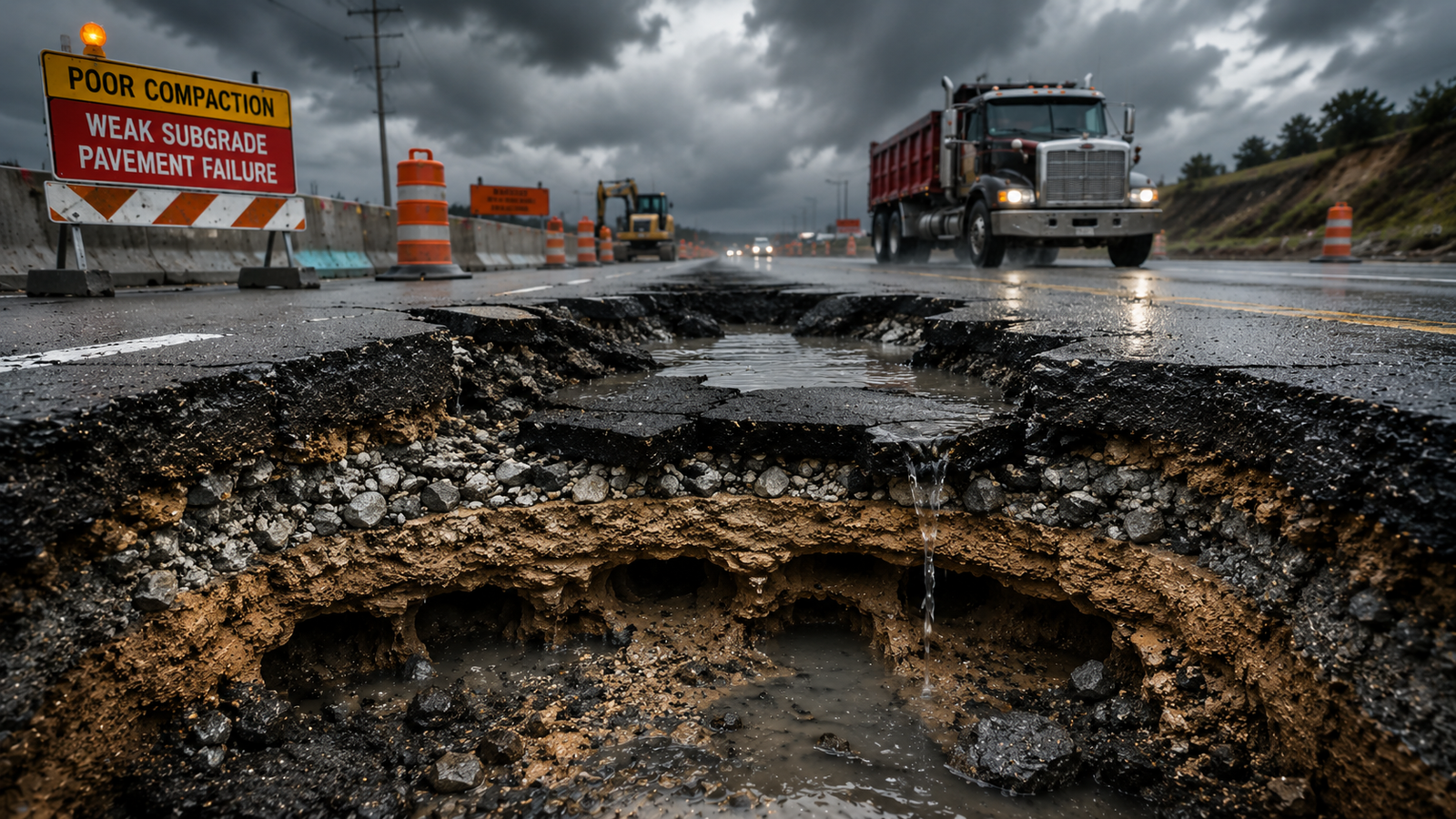
The True Cost of Early Pavement Failure
The heavy construction industry operates on tight profit margins and relies heavily on delivering reliable, long-lasting results. The consequences of failing to compact a road correctly extend far beyond a few cracked pieces of asphalt. When an infrastructure project fails prematurely, the financial penalty for the contractor is absolutely devastating. Municipalities and corporate clients will fiercely demand that the failing contractor tear up the ruined pavement, excavate the soft subgrade, and completely rebuild the road at their own expense.
These problems aggressively increase maintenance costs, completely wiping out the contractor’s working capital and destroying the project’s profitability. Furthermore, dangerous ruts and deep potholes heavily reduce public safety, leading to expensive vehicular damage claims and severe traffic accidents. When a community watches a brand-new road fall apart in less than a year, it deeply damages public trust and destroys the contracting firm’s professional reputation. Your company will struggle to secure lucrative future bids if your past projects demonstrate a track record of severe structural failure.
Understanding the massive financial and reputational consequences of poor compaction helps contractors make better decisions about their daily operations. By taking the time to master this vital process, you protect your company from crippling financial liabilities while actively supporting the safety of the communities you serve.
Invest in Process Discipline and Quality
The foundational strength of modern society rests directly on the strict engineering discipline applied by professional contractors. Smooth, indestructible roads are never an accident; they are the direct result of applying precise physics, careful moisture management, and heavy mechanical force to the earth. Taking shortcuts during the dirt-moving phase simply guarantees that the final pavement will suffer a rapid, expensive demise.
Take a highly critical look at your current earthmoving procedures and demand absolute excellence from your equipment operators. Invest strategically in premium compaction machinery, enforce strict quality control testing, and ensure your crews understand exactly how to manage lift thickness and soil moisture. By committing to elite process discipline, you guarantee that every single road your company builds will stand as a fiercely reliable testament to your professional expertise and your unwavering commitment to customer satisfaction.
