
Why Hydraulic Oil Temperature Matters for Wheel Loader Performance
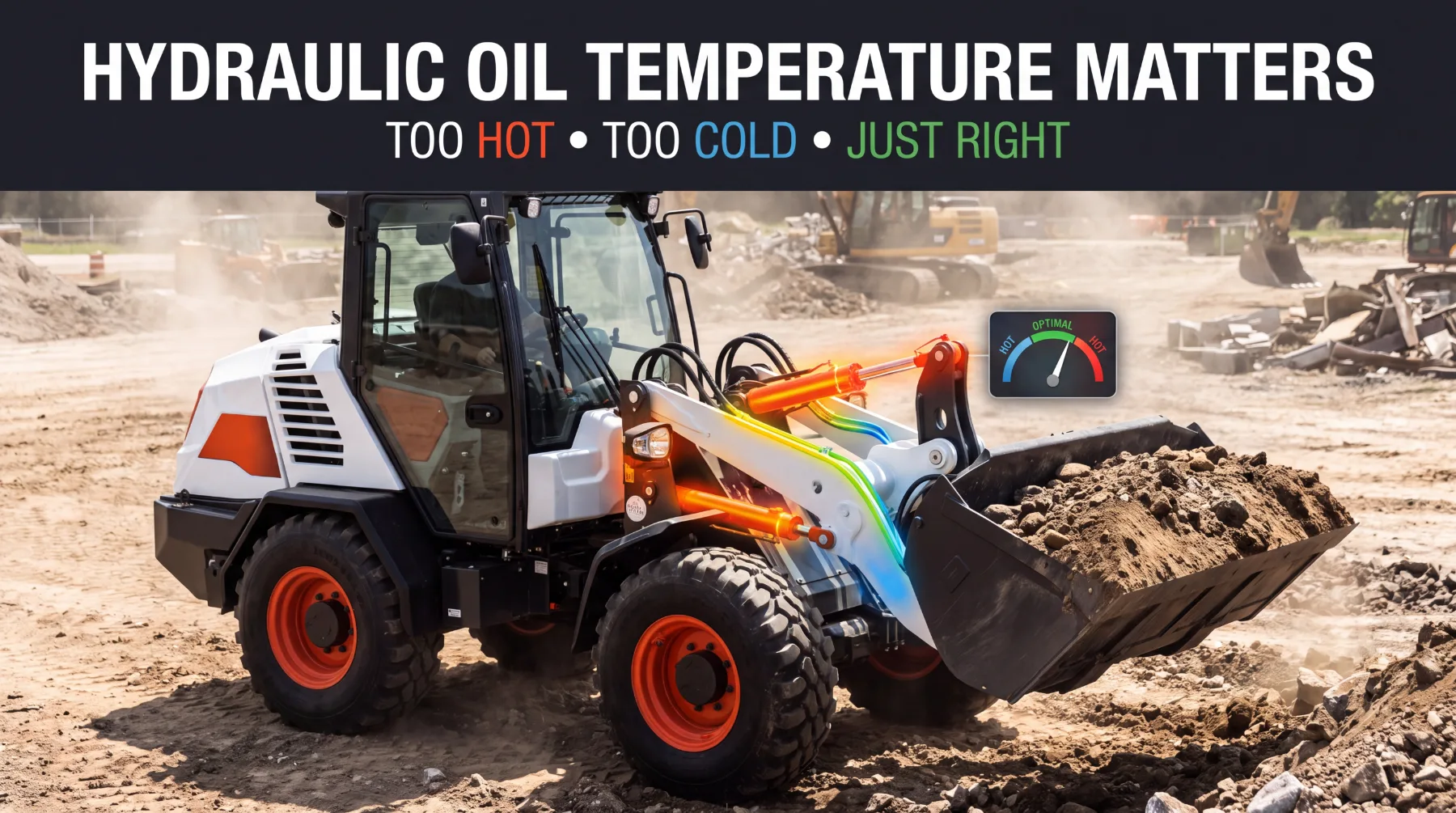
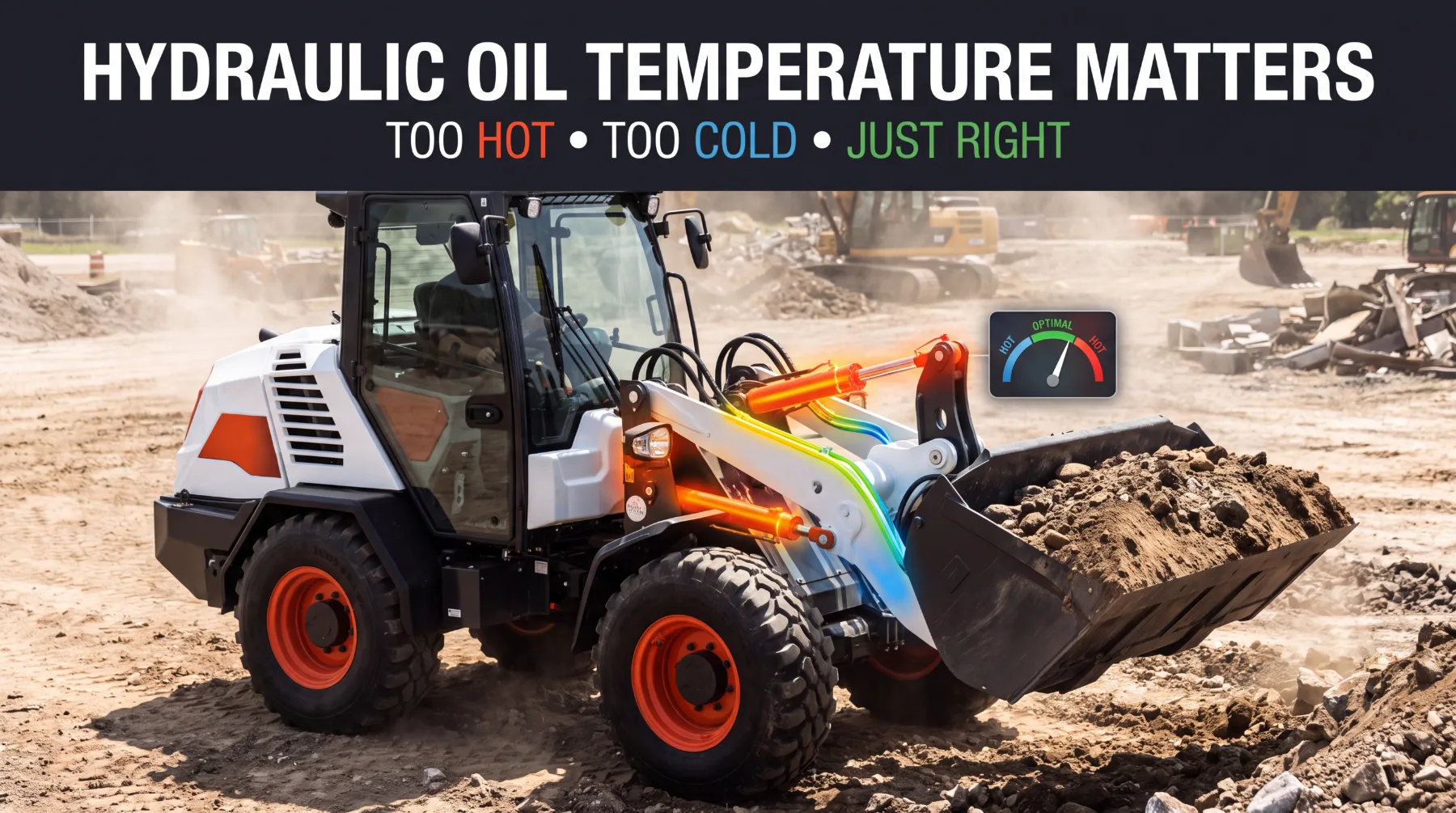
Hydraulic oil temperature quietly shapes how well a wheel loader performs, yet it rarely gets the attention that engine power or bucket capacity receive. That oil is the lifeblood of every hydraulic function on the machine, and its temperature determines how efficiently it flows, how much protection it provides, and how consistently the loader responds. Run it too hot and performance fades while wear accelerates. Run it too cold and the machine feels sluggish until it warms. Understanding why hydraulic oil temperature matters for wheel loader performance helps you keep your equipment working the way it should, protecting both productivity and the long-term health of the hydraulic system. This guide explains what happens across the temperature range and how to keep your loader running at its best.
How High Hydraulic Oil Temperature Can Reduce Loader Performance
When hydraulic oil runs hotter than intended, the first thing to change is its viscosity. Viscosity is the oil’s resistance to flow, essentially its thickness, and it is engineered to sit within a specific range for the system to work properly. As temperature climbs, the oil thins out and viscosity drops. That thinner fluid no longer seals and flows the way the pump and valves were designed to expect, and the efficiency of the whole hydraulic system suffers as a result.
The practical effect shows up directly in how the machine works. Excessively hot oil that has lost viscosity can slip past internal clearances in the pump and valves rather than doing useful work, a loss known as internal leakage. When that happens, less of the oil’s energy reaches the cylinders and motors that actually move the machine.
For the operator, this translates into noticeably weaker performance. Lifting can slow, bucket movement can feel lazy, and other hydraulic functions may respond less crisply than they should. The loader that felt strong and responsive earlier in the shift can begin to lag once the oil overheats. This is why managing heat matters so much. When oil stays within its intended temperature range, it holds the viscosity the system depends on, and the loader delivers the full speed and power it was built to provide rather than the diminished performance that excessive heat brings.
How Cold Hydraulic Oil Affects Hydraulic Response
At the opposite end of the range, cold hydraulic oil creates its own set of problems, and they stem from the same property working in reverse. When oil is cold, it becomes more viscous, meaning thicker and more resistant to flow. That thickened fluid is harder for the pump to draw in and push through the system, and harder for the valves to move where it needs to go. The result is a hydraulic system that has to work against the oil itself before it can do any useful work.
This is why a wheel loader often feels slow and reluctant when first started on a cold morning. Until the oil warms and thins to its proper operating viscosity, hydraulic movements can be sluggish and less responsive. Lifting, tilting, and other functions may take longer to react, and the machine simply will not perform at full pace while the oil remains cold and thick.
Operating a loader hard before the oil has warmed can also strain the system, since the pump is forcing thick fluid through passages sized for oil at its normal viscosity. This is the reasoning behind allowing a warm-up period after startup, particularly in cold conditions. Giving the hydraulic oil time to reach its working temperature lets it flow freely, so the pump and valves can move fluid efficiently and the loader responds the way it should. A brief, sensible warm-up protects the system and rewards the operator with the smooth, predictable hydraulic response that productive work requires.
How Hydraulic Oil Temperature Affects Hydraulic Pressure
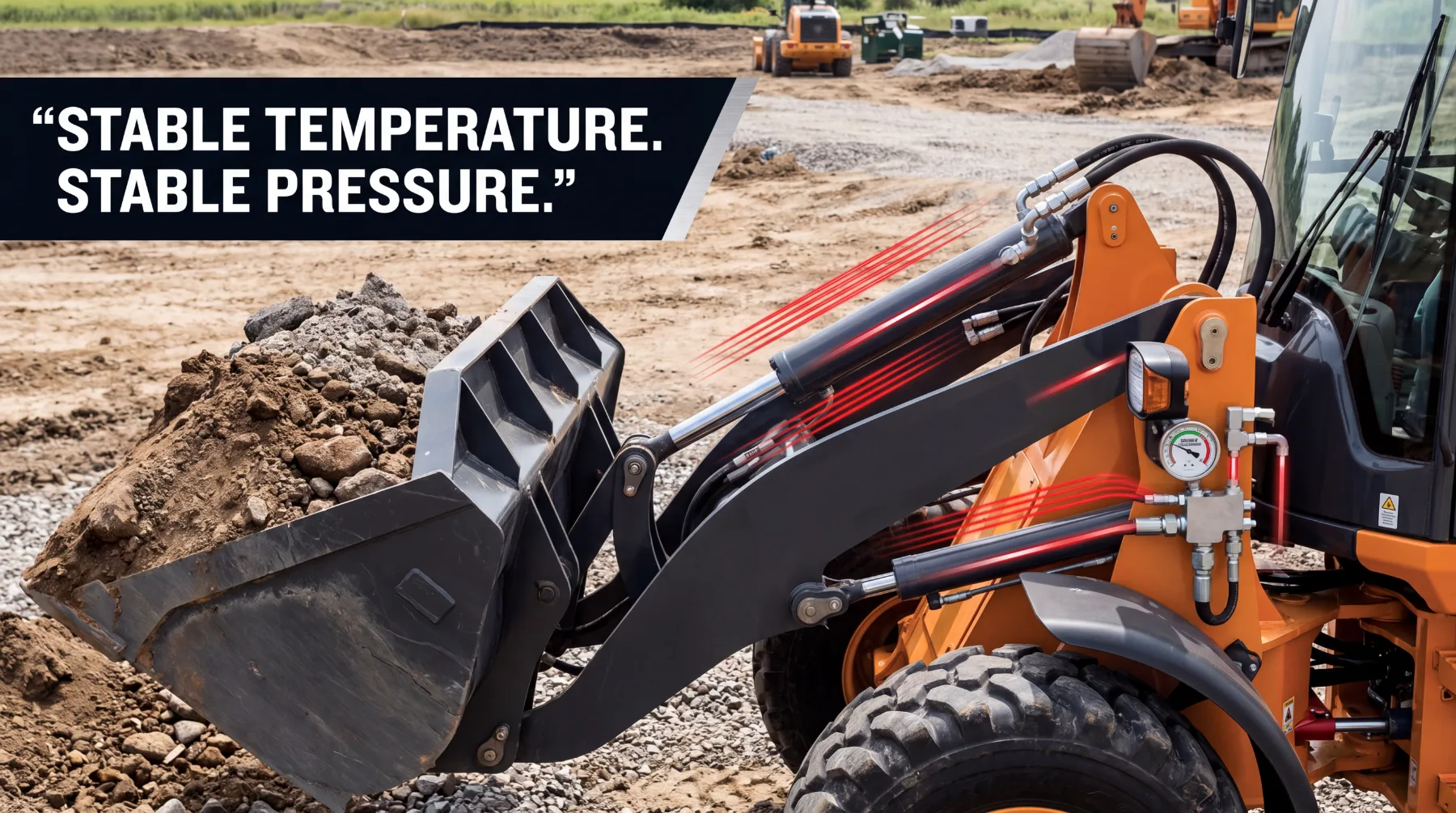
Beyond speed and responsiveness, temperature also influences the hydraulic system’s ability to maintain consistent pressure, which is central to how a wheel loader lifts and digs. Because temperature governs viscosity and flow characteristics, it directly affects how well the system holds the pressure its functions depend on. Pressure is what produces the force behind lifting a heavy bucket or digging into resistant material, so stable pressure is essential to stable performance.
The connection runs through internal leakage. When oil grows too thin from excessive heat, it slips more easily past the close-fitting clearances inside pumps and valves, making it harder for the system to build and hold the pressure it needs. When oil is too thick from cold, flow becomes restricted and pressure can behave unpredictably until the fluid warms. In both cases, pressure that should be steady and reliable instead varies with the temperature of the oil.
A hydraulic system operating at a stable, appropriate temperature avoids these swings. With the oil at its designed viscosity, the pump and valves manage flow as intended and the system maintains consistent pressure across the machine’s functions. For the operator, that consistency means predictable lifting and digging performance, where the loader responds with the same force and control from one cycle to the next. This predictability is exactly what demanding work calls for, and it is one of the clearest reasons to keep hydraulic oil within its recommended operating range. Stable temperature underpins stable pressure, and stable pressure underpins dependable performance.
Why Overheated Hydraulic Oil Can Increase Component Wear
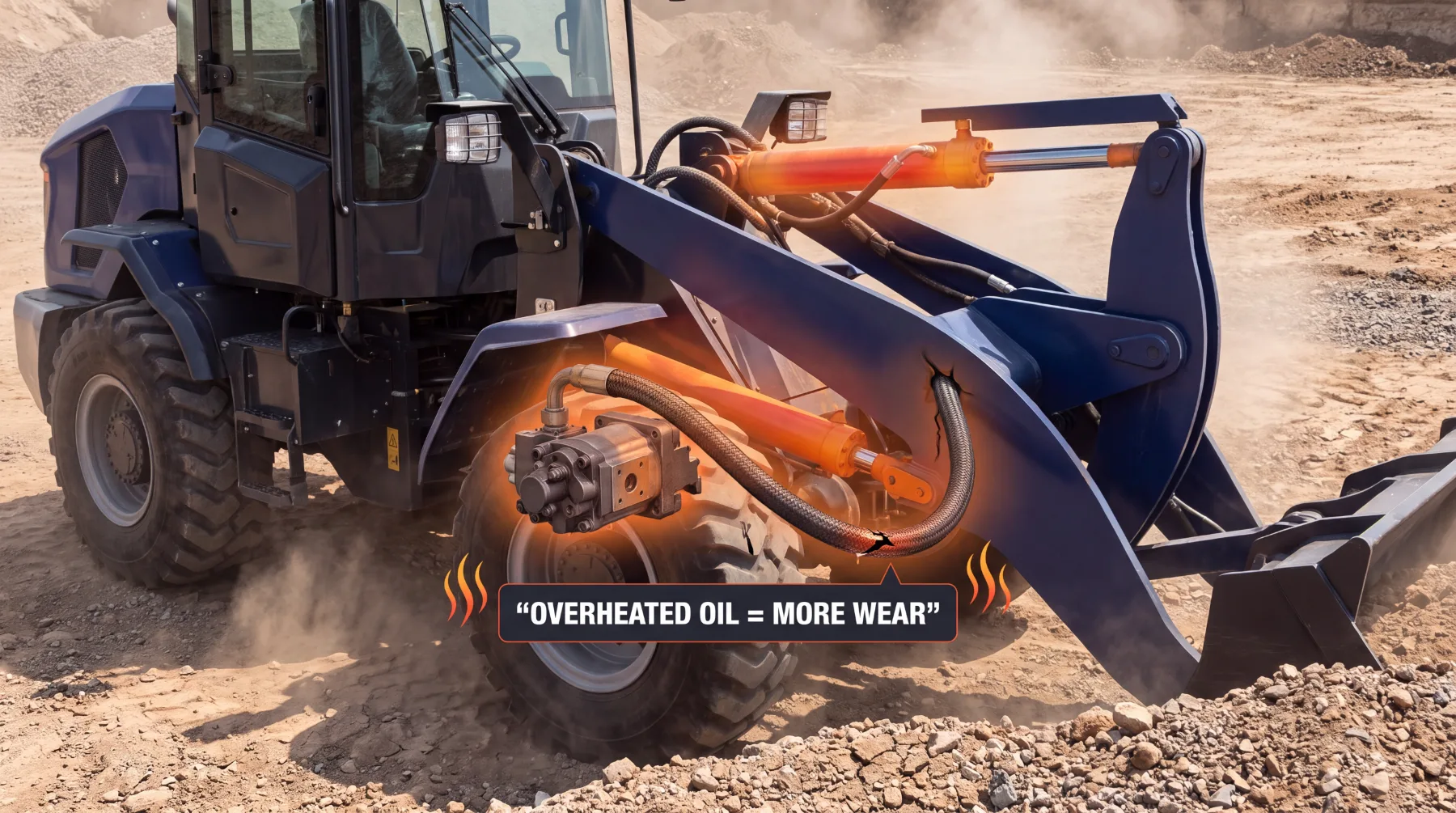
The damage from overheated hydraulic oil reaches beyond the day’s performance and into the long-term health of the machine. Excessive heat accelerates the degradation of the oil itself, breaking down the fluid and any additives engineered into it far faster than normal operation would. As the oil deteriorates, it loses the qualities that let it protect the components it moves through, leaving those parts more vulnerable than they should be.
That reduced protection is where lasting harm begins. Hydraulic oil does more than transmit force; it lubricates the moving parts inside the system and helps carry heat away from them. When overheating degrades the oil, it can no longer lubricate and protect as effectively, and the components it serves begin to bear more stress. Over time, this contributes to wear in the pumps, valves, seals, and hoses that make up the hydraulic system.
Each of these components suffers in its own way. Pumps and valves rely on the oil to lubricate their close-fitting parts, so degraded fluid accelerates their wear. Seals and hoses, meanwhile, are sensitive to heat directly, and elevated temperatures can harden, crack, or weaken them until leaks develop. Because these parts are costly to repair and their failure means downtime, the wear driven by overheated oil carries a real price. Keeping oil temperature under control protects the fluid’s condition, preserves its ability to lubricate and protect, and helps the entire hydraulic system reach the long, dependable service life it was designed for rather than wearing out prematurely under the strain of heat.
How Proper Oil Temperature Improves Wheel Loader Efficiency
Bringing all of this together, keeping hydraulic oil within the manufacturer’s recommended temperature range is one of the most effective ways to support smooth, efficient wheel loader operation. When the oil sits at its intended temperature, it holds the viscosity the system was designed around, flowing freely enough to move efficiently while remaining thick enough to seal and protect. In that condition, every hydraulic function has the best chance to perform exactly as intended.
The efficiency gains come from several directions at once. Oil at its proper temperature transmits energy effectively, so more of the engine’s power reaches the cylinders and motors instead of being lost to internal leakage or wasted overcoming thick, cold fluid. This reduces unnecessary energy loss and helps the loader make the most of the power it produces. At the same time, controlled temperature spares the components from the stress that heat and degraded oil would otherwise impose, easing wear across the system.
The result is a machine that performs consistently and lasts longer. With the oil in its recommended range, the loader lifts, tilts, and digs with steady, predictable performance shift after shift, rather than fading in the heat or lagging in the cold. Proper temperature control supports that consistency while reducing both energy waste and component stress, which protects productivity and helps contain the cost of ownership over the machine’s working life. For any operation that depends on its loaders, maintaining sensible oil temperature is a straightforward, worthwhile practice that pays back in reliable performance and durable equipment you can count on.
Conclusion
Hydraulic oil temperature influences nearly every aspect of how a wheel loader performs. When oil runs too hot, it thins and loses viscosity, reducing system efficiency and slowing lifting, bucket movement, and other functions. When it runs too cold, it thickens and resists flow, making the machine sluggish until it warms to its operating temperature. Temperature also shapes the system’s ability to hold consistent pressure, which is the foundation of predictable lifting and digging. Excessive heat carries a further cost, degrading the oil and accelerating wear in pumps, valves, seals, and hoses over time. Keeping hydraulic oil within the manufacturer’s recommended range addresses all of these concerns at once, supporting efficient energy transfer, consistent performance, and reduced component stress. Manage oil temperature well, and your wheel loader will reward you with the dependable, durable performance that productive work demands.
Frequently Asked Questions
1. How does high hydraulic oil temperature reduce wheel loader performance?
When hydraulic oil overheats, its viscosity drops and the fluid becomes thinner than the system was designed to handle. Viscosity is the oil’s resistance to flow, and the pump and valves are engineered to work with oil within a specific range. As the oil thins, it can slip past the close internal clearances in pumps and valves rather than doing useful work, a loss known as internal leakage. This means less of the oil’s energy reaches the cylinders and motors that move the machine. For the operator, the effect shows up as slower lifting, lazy bucket movement, and hydraulic functions that respond less crisply. A loader that felt strong earlier in the shift can begin to lag once the oil overheats. Keeping oil within its intended temperature range preserves the viscosity the system depends on, so the machine delivers its full designed speed and power.
2. Why does a wheel loader feel sluggish when first started in cold weather?
Cold hydraulic oil becomes more viscous, meaning thicker and more resistant to flow. That thickened fluid is harder for the pump to draw in and push through the system, and harder for the valves to direct where it needs to go. As a result, the hydraulic system has to work against the oil itself before it can do useful work, which makes lifting, tilting, and other functions slow and less responsive on a cold morning. Until the oil warms and thins to its proper operating viscosity, the machine will not perform at full pace. This is why a warm-up period after startup matters, especially in cold conditions. Allowing the oil time to reach its working temperature lets it flow freely, so the pump and valves move fluid efficiently and the loader responds smoothly and predictably.
3. How does oil temperature affect hydraulic pressure?
Temperature governs the oil’s viscosity and flow characteristics, and these directly affect how well the system maintains consistent pressure. Pressure produces the force behind lifting a heavy bucket or digging into resistant material, so steady pressure is essential to steady performance. The link runs through internal leakage. When oil grows too thin from excessive heat, it slips more easily past the close-fitting clearances inside pumps and valves, making it harder to build and hold pressure. When oil is too thick from cold, flow is restricted and pressure can behave unpredictably until the fluid warms. In both cases, pressure that should be reliable instead varies with temperature. A system operating at a stable, appropriate temperature keeps the oil at its designed viscosity, so pressure stays consistent and the loader delivers predictable lifting and digging performance from one cycle to the next.
4. Can overheated hydraulic oil damage wheel loader components?
Yes. Excessive heat accelerates the degradation of the oil, breaking down the fluid and its additives far faster than normal operation would. As the oil deteriorates, it loses the qualities that let it protect the components it moves through. Hydraulic oil does more than transmit force; it lubricates moving parts and helps carry heat away from them. When overheating degrades the oil, it can no longer lubricate and protect effectively, so components bear more stress. Over time, this contributes to wear in pumps, valves, seals, and hoses. Pumps and valves depend on the oil to lubricate their close-fitting parts, so degraded fluid accelerates their wear. Seals and hoses are sensitive to heat directly and can harden, crack, or weaken until leaks develop. Because these parts are costly to repair and their failure means downtime, controlling oil temperature protects both the fluid and the components.
5. How does keeping oil at the proper temperature improve efficiency?
Keeping hydraulic oil within the manufacturer’s recommended temperature range lets it hold the viscosity the system was designed around, flowing freely enough to move efficiently while remaining thick enough to seal and protect. In that condition, every hydraulic function performs as intended. The efficiency gains come from several directions. Oil at its proper temperature transmits energy effectively, so more of the engine’s power reaches the cylinders and motors instead of being lost to internal leakage or wasted overcoming thick, cold fluid. This reduces unnecessary energy loss and helps the loader make the most of its power. Controlled temperature also spares components from the stress that heat and degraded oil would impose, easing wear across the system. The result is a machine that performs consistently and lasts longer, protecting productivity while helping contain the cost of ownership over its working life.
